

Hey Swimmers,
You know, Google, and indeed ChatGPT or other AIs, are brilliant at finding information. Unfortunately, it isn’t always quite so good at telling you whether that information is still worth following, and whether it might suit your specific needs.
Search online for “how to swim more efficiently” and you may uncover an article published in 2010 telling you:
“Remember to glide. Each stroke should be separated from the next with a brief glide. The swim stroke differs from a cycling pedal stroke or a running stride because it is disconnected instead of continuous - or should be.”
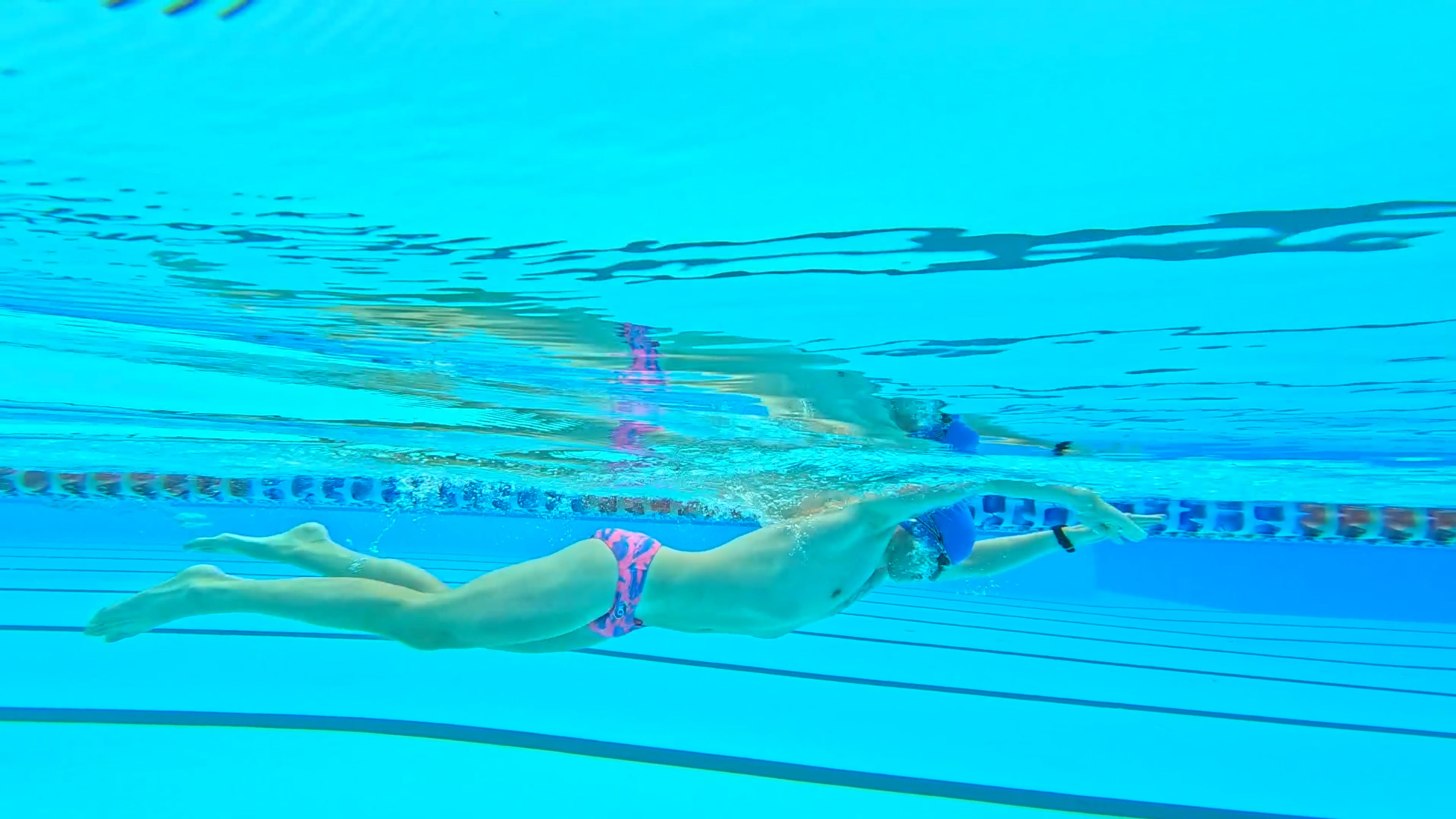
It might even advise you to leave your arm fully extended “for a few moments” before beginning the catch, just like Ryan from Tuesday’s 1-to-1 video analysis session was diligently trying to do, based on this advice:
Sadly, Ryan’s far from alone on this. I’ve worked with thousands of Overgliders over the years - luckily for Ryan, this hadn’t been ingrained for longer than a few months. But here’s the kicker, keep searching and you could find another article, published just six years later - by the same author in the same magazine - explaining almost the exact opposite to what Ryan had seen on YouTube:
“Efficient swimmers don’t glide - they reach. One of the most commonly misinterpreted swimming terms is “glide.” Water is almost 800 times thicker than air. When a swimmer pauses to glide, he is really doing one of two things: either immediately slowing down because he is no longer providing propulsion with the stroke, or providing additional propulsion with a strong kick. Because a triathlete does not want to do either of those two things (slow down or kick harder), gliding is not the best concept to focus on in the water.”
The updated advice recognises that pausing at the front of the stroke removes propulsion, causes the swimmer to slow down and frequently demands a stronger kick to overcome the resulting dead spot - exactly why Ryan was so out of breath:
The problem is that Google doesn’t necessarily present those articles chronologically. The older article may have a stronger headline, more backlinks or better search-engine authority. Consequently, a new swimmer searching today is just as likely to encounter the 2010 advice as the correction from 2016.
Both can appear equally credible. Both remain online. Neither arrives with a warning label.
This is becoming ever-more prominent with the rise of social media like Instagram - sure, long, gliding strokes in idyllic settings look nice, get a lot of likes and appear to espouse a wonderfully efficient stroke, but are they really and are they really the right stroke for you, more importantly?
Longer Isn’t Automatically More Efficient.
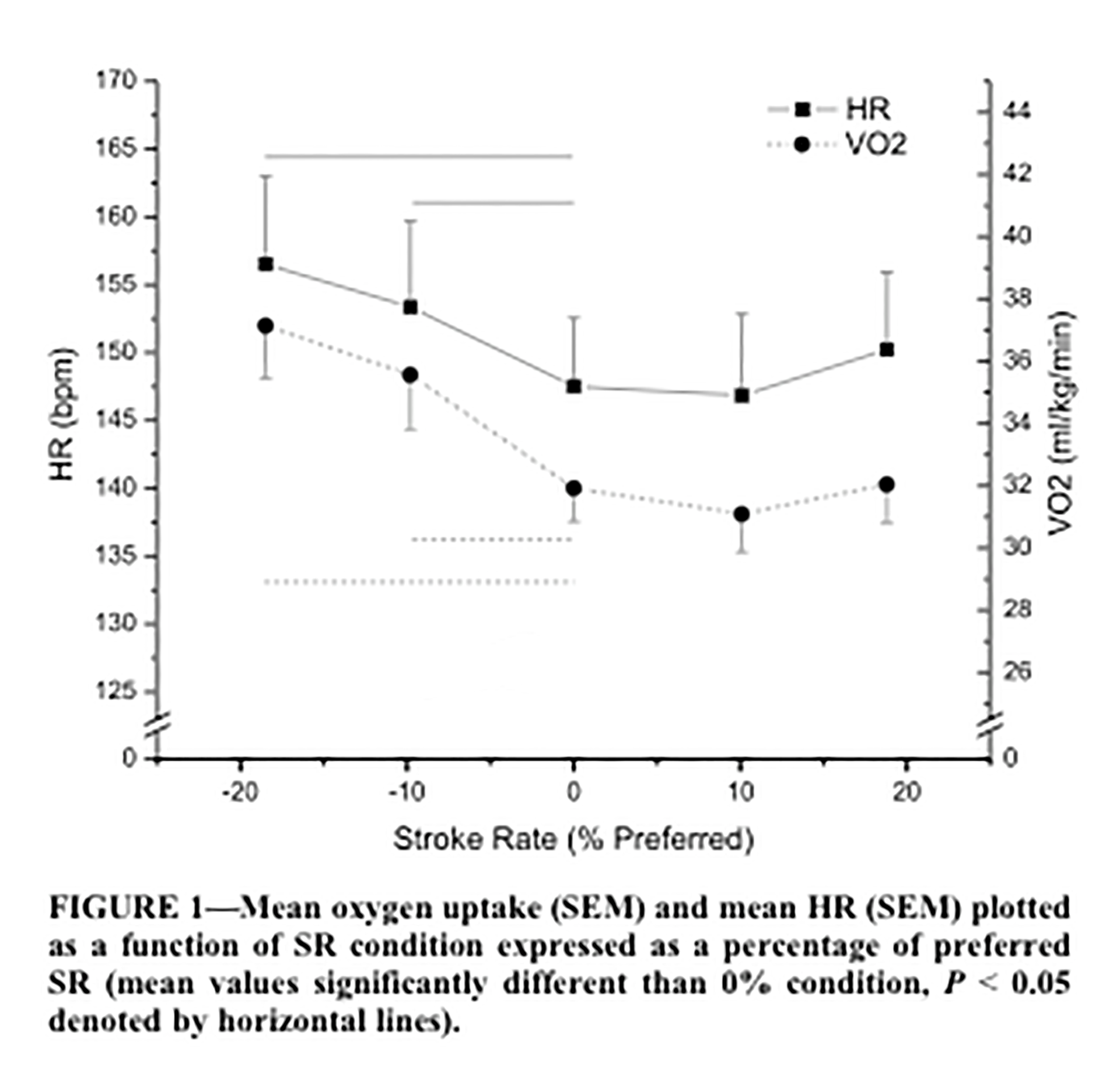
For many years, swimming efficiency was closely associated with taking fewer strokes per length and a reduced stroke rate (Ryan’s was 41spm for reference this week). Swimmers were encouraged to stretch further, wait longer and make each stroke look as long and unhurried as possible.
It is an appealing idea because fewer strokes are easy to count and a gliding stroke often feels wonderfully smooth. However, as we explained in The Three Ways to Develop a Longer Freestyle Stroke1, stroke length can be improved in three very different ways:
Reduce drag.
Improve propulsion.
Artificially lengthen the stroke by pausing and gliding.
The first two can genuinely improve efficiency. The third normally reduces it.
Water creates substantial resistance, so the moment you stop producing propulsion, you begin losing speed. You must then accelerate again with the next stroke. That repeated slow-down-and-speed-up pattern costs energy, disrupts rhythm and can encourage a powerful “kickstart” from the legs.
Research discussed in The Data on Stroke Rate and Efficiency2 found that forcing swimmers to reduce their natural stroke rate increased oxygen consumption. They travelled further with each stroke, but became less economical while doing so.
That distinction is vital: stroke length is the outcome of good technique - not something you should manufacture by inserting a pause.
Coach the Swimmer, Not the Search Result
This doesn’t mean every swimmer should simply turn their arms over faster. Some swimmers genuinely rush, shorten their strokes excessively or fail to connect effectively with the water. Others - our classic Overgliders - need to remove the dead spot and develop better rhythm and momentum.
The appropriate correction depends on the swimmer.
So, when searching online, always check the publication date, the evidence behind the advice and whether it considers individual differences. Most importantly, be wary of any universal instruction claiming that one particular stroke style represents efficiency for everyone.
Google never forgets - but good coaching must continue to learn, question and evolve.
Thanks for reading,
Your Coach,
Paul
The Three Ways To Develop A Longer Freestyle Stroke
There are three ways to make your stroke longer:
The Data On Stroke Rate And Efficiency

We know that quite a few of you like a bit of science behind your swimming, so lets take a look at an important piece of research conducted by Southwestern University, Texas [1]. Even if you're not a numbers person bear with this - it's not too complicated!
