

Hey swimmers,
Thanks so much for all your recent feedback on the blogs. It really inspires me to know that you're enjoying them. On to today's question:
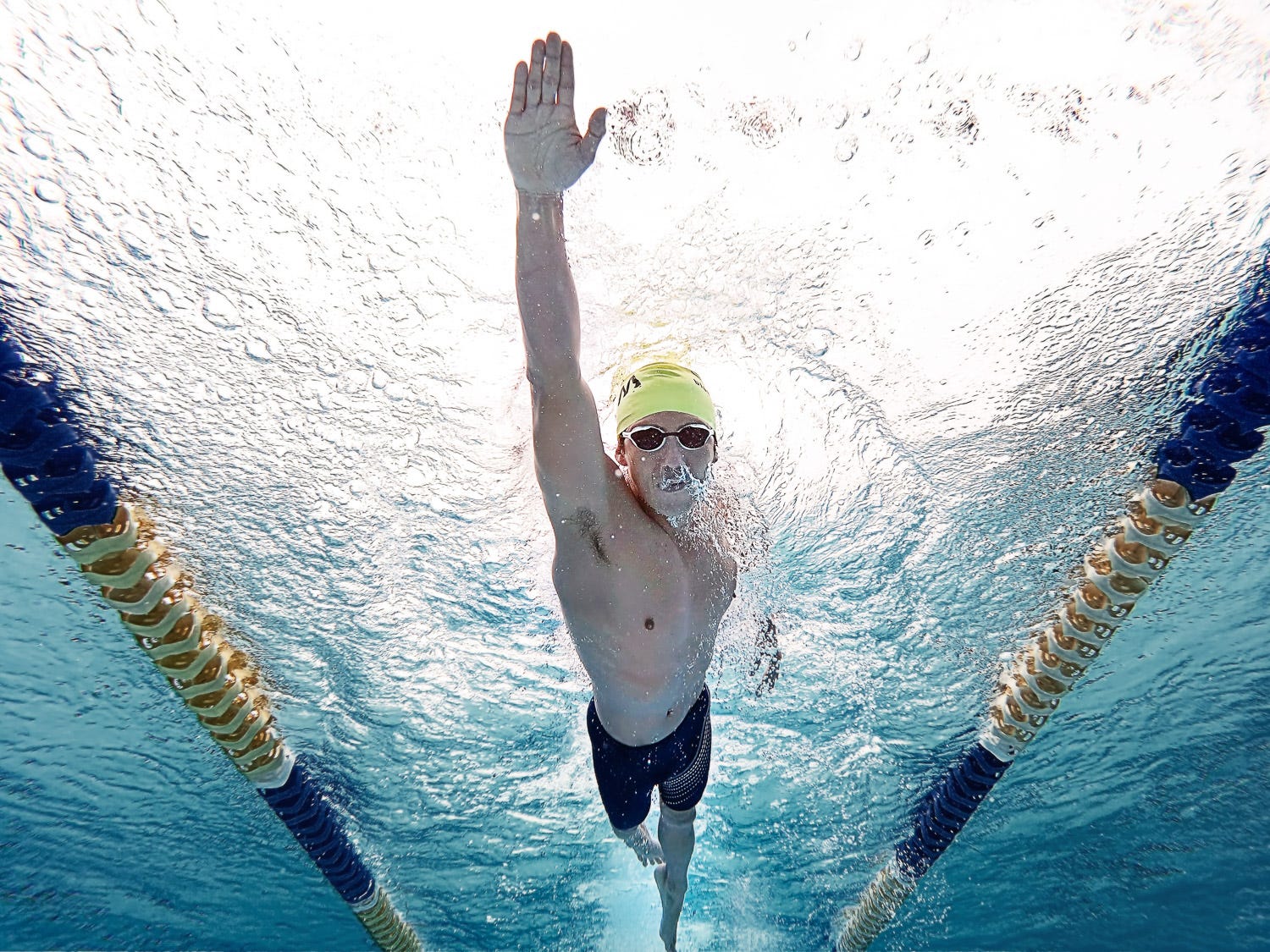
Have you ever asked yourself why you so rarely see elite open water swimmers actually training in the open water?
It seems counterintuitive. If they race in lakes, rivers and the sea, surely that’s where they should be doing most of their training too?
In fact, famously, David Davies (Olympic bronze (1500m) and Olympic silver (10km open water) famously talks in our podcast from 2019 about how Beijing in 2008 was only his 3rd ever open water swim - not race, swim - and he collected an Olympic silver medal in the event’s inaugural edition!). You can listen to that full interview here to bring context to today’s blog:
Episode 15 - David Davies, Britain's only duel Olympic medallist in the pool and open water
Today, enjoy an awesome interview with David Davies from Wales who is Britain's only swimmer to have achieved an Olympic medal in both the pool (1500m in Athens, 2004) and the open water (10km in Beijing, 2008).
But before we answer why David and so few other elite open water swimmers actually train in the open water, it’s worth asking a different question:
Why do you choose to swim in the open water?
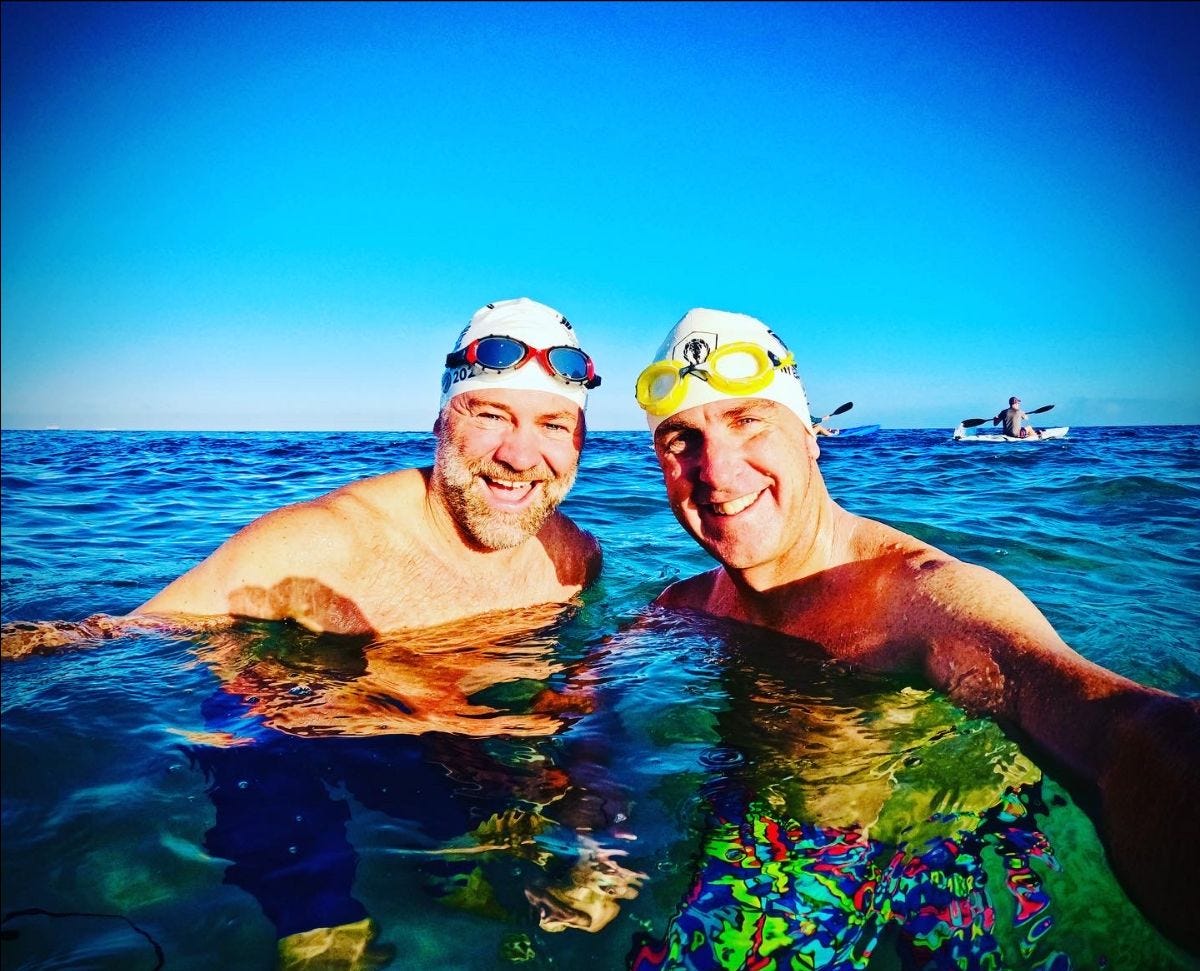
For most of us, it’s about far more than performance. It’s the freedom, the scenery, the fresh air, the camaraderie and the simple joy of escaping the black line at the bottom of the pool. We swim outdoors because we genuinely enjoy it.
Elite open water swimmers see things rather differently. For them, open water swimming is all about performance.
That changes the question from “Where would I most like to swim today?” to “Where will I get the greatest training benefit?”
Of course, open water skills matter. Sighting, drafting, feeding, swimming in close quarters and coping with changing conditions all need to be practised. But when an elite coach is planning a week’s training, they also have to consider travel time, unpredictable weather, water quality and whether the conditions will actually allow the session they want to complete.
Very often, the answer is that the pool simply offers a more controlled, measurable and productive environment.
I learnt this lesson the hard way.
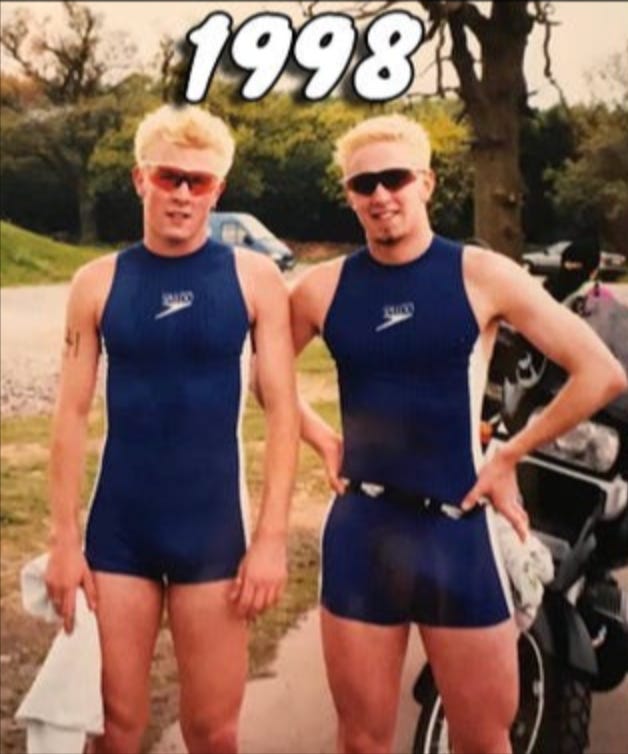
Back in 1998, while preparing for the British Under-23 Olympic Distance Triathlon Championships, I decided to spend six to eight weeks training almost exclusively in the open water. I thought I was doing exactly the right thing by making my preparation as race-specific as possible.
Instead, I sacrificed quality.
I couldn’t consistently hit the high intensities I needed, and when the race started my pacing was completely off. My lactate levels skyrocketed and, although I still exited the water in third place, I lost over 90 seconds to the two leaders across just 1500 metres. That deficit effectively ended my race before the bike leg had even begun.
I thought I was training specifically for performance. In reality, I’d compromised the very training that would have improved it.
Does that mean you should stop swimming in the open water?
Absolutely not.
If your primary goal is enjoyment, adventure, confidence or simply spending time outdoors, then open water is exactly where you should be. Those benefits are incredibly valuable in their own right.
But if you have an important race coming up and genuinely want to maximise your performance, it’s worth borrowing a page from the elite playbook - which I do with my own training.
Here’s how I structure my own week
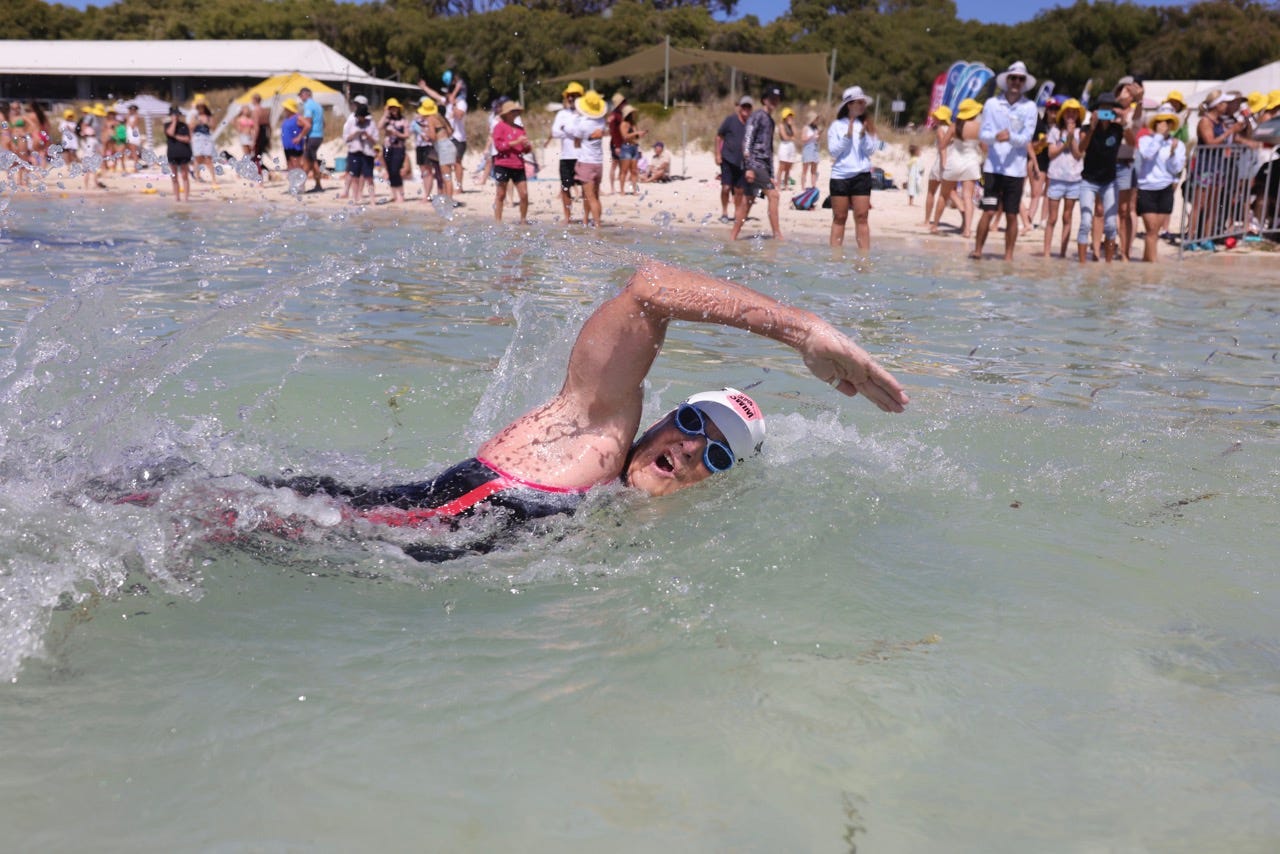
The important thing isn’t to copy this exactly, but to notice the role each session plays.
Monday – Red Mist Endurance (Pool)
I complete my classic 10 × 400 m session, typically swimming between CSS +3 and CSS +6 seconds per 100 m. This is the cornerstone of my endurance development, and the pool allows me to hold very precise pacing that simply wouldn’t be possible in changing open water conditions.
Tuesday – Technique & Endurance (Pool)
Around 3 km focused on improving efficiency using drills, fins, paddles and a pull buoy. I’ll often include sighting practice or swimming alongside training partners so I’m still rehearsing open water skills within a controlled environment.
Wednesday – Tempo Swim (Pool)
A simple 2 km continuous swim at my best sustainable pace. Think of it as the swimming equivalent of a tempo run. It provides a regular benchmark of where my fitness really is, even on days when I’m not feeling particularly fresh.
Thursday – Open Water for the Love of It
This is usually a relaxed 1.5–2 km swim with my mate Chris. It’s not about performance—it’s simply about enjoying being in the ocean together. Later that day I’ll complete a structured CSS threshold session back in the pool, where I can target exactly the intensity I need.
Friday – Recovery or Technique
Either a day off or another easy technical swim, depending on how my body is responding.
Saturday – Saturday Stoic (Pool)
A 5 km session combining technique, threshold work, Red Mist endurance, sprinting and open water skills. It brings together many of the key elements of the Swim Smooth approach in one session. This same approach is used by all our Swim Smooth Squads around the world:
Sunday – Long Open Water Swim
This becomes my race-specific session. Depending on the event, I’ll swim anywhere from 3 km to 12 km continuously while monitoring my pace with GPS and practising feeding strategies and race execution.
The structure of my week hardly changes. What changes is my CSS pace, which gradually gets faster, and the distance of my Sunday swim as my target event approaches.
The interesting thing is that even this probably includes more open water swimming than many elite open water athletes actually do. The majority of their training still takes place in the pool because that’s where they can most effectively build the engine they’ll rely on when race day arrives.
So the next time you’re wondering why elite open water swimmers spend so much time staring at the black line, remember that they’re not training for the environment—they’re training for the performance.
For the rest of us, it’s perfectly okay if performance isn’t the only goal. Swimming in the open water for the sheer joy of it is one of life’s great pleasures, and that’s a wonderful reason to head to the beach whenever you can.
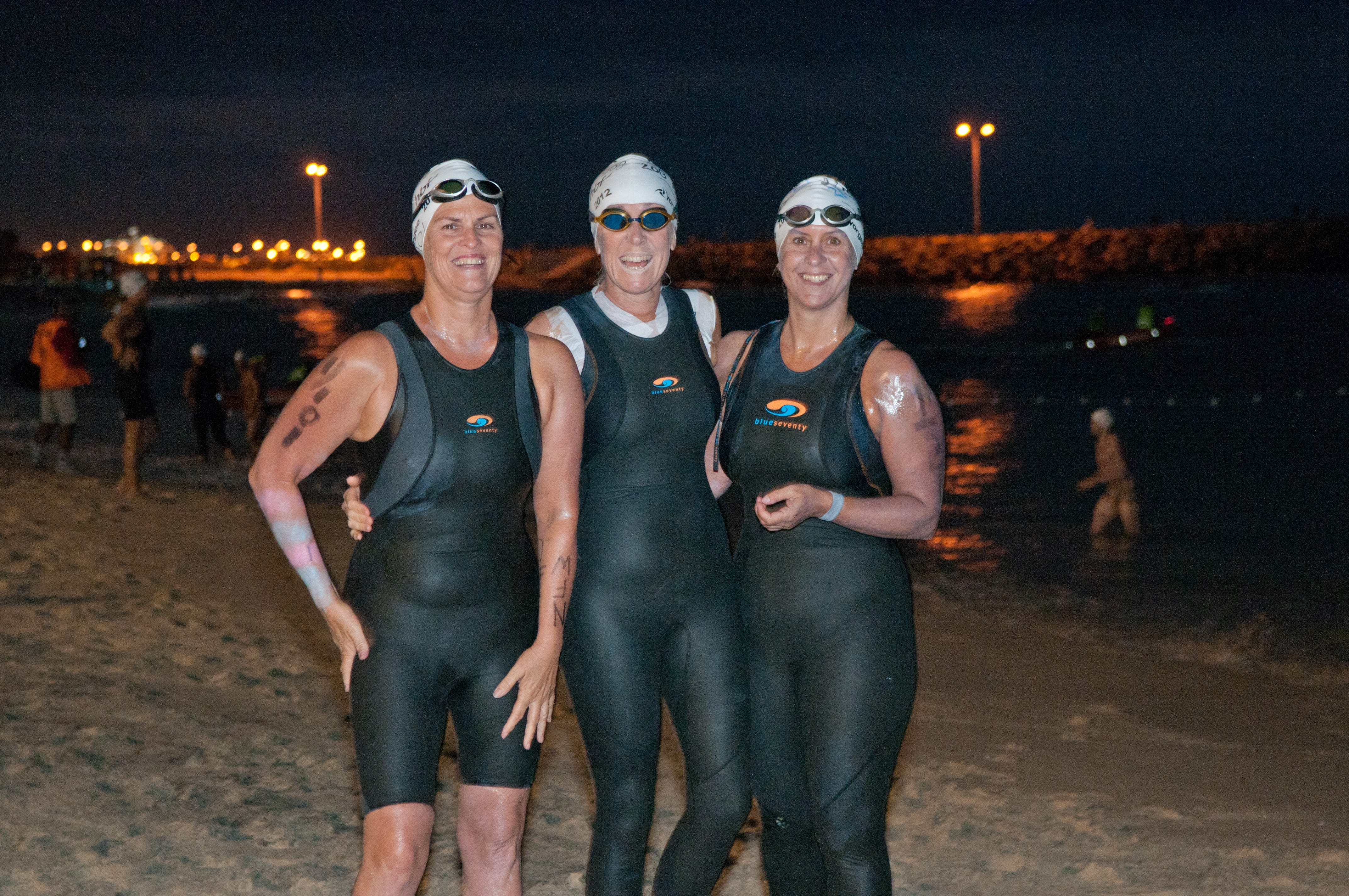
But if your next race really matters to you, don’t assume that more open water is automatically better. Often, the fastest way to become a better open water swimmer starts with a well-planned week in the pool, using the open water purposefully for the things that only it can teach you.
Thanks for reading.
Your Coach, Paul.
Join Coach Fiona Ford in Italy to Work on Your Open Water Skills: 2-9 September
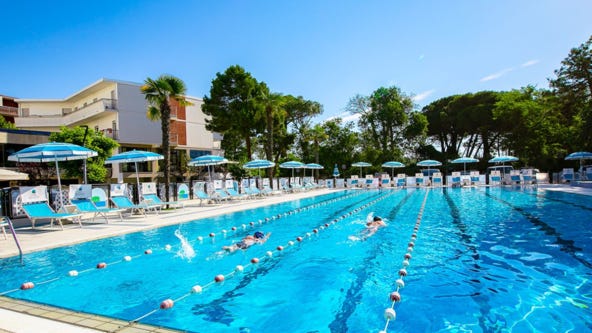
Join Fiona Ford for an unforgettable week of swimming on Italy's stunning Adriatic coast, where world-class coaching meets an incredible holiday experience. Combining expertly guided sea and pool sessions with personalised Swim Smooth coaching, this camp is your chance to refine your technique, build endurance, and immerse yourself in the beauty, culture, and relaxed lifestyle of Cesenatico—all under the guidance of one of Britain's most accomplished triathlon coaches.
