

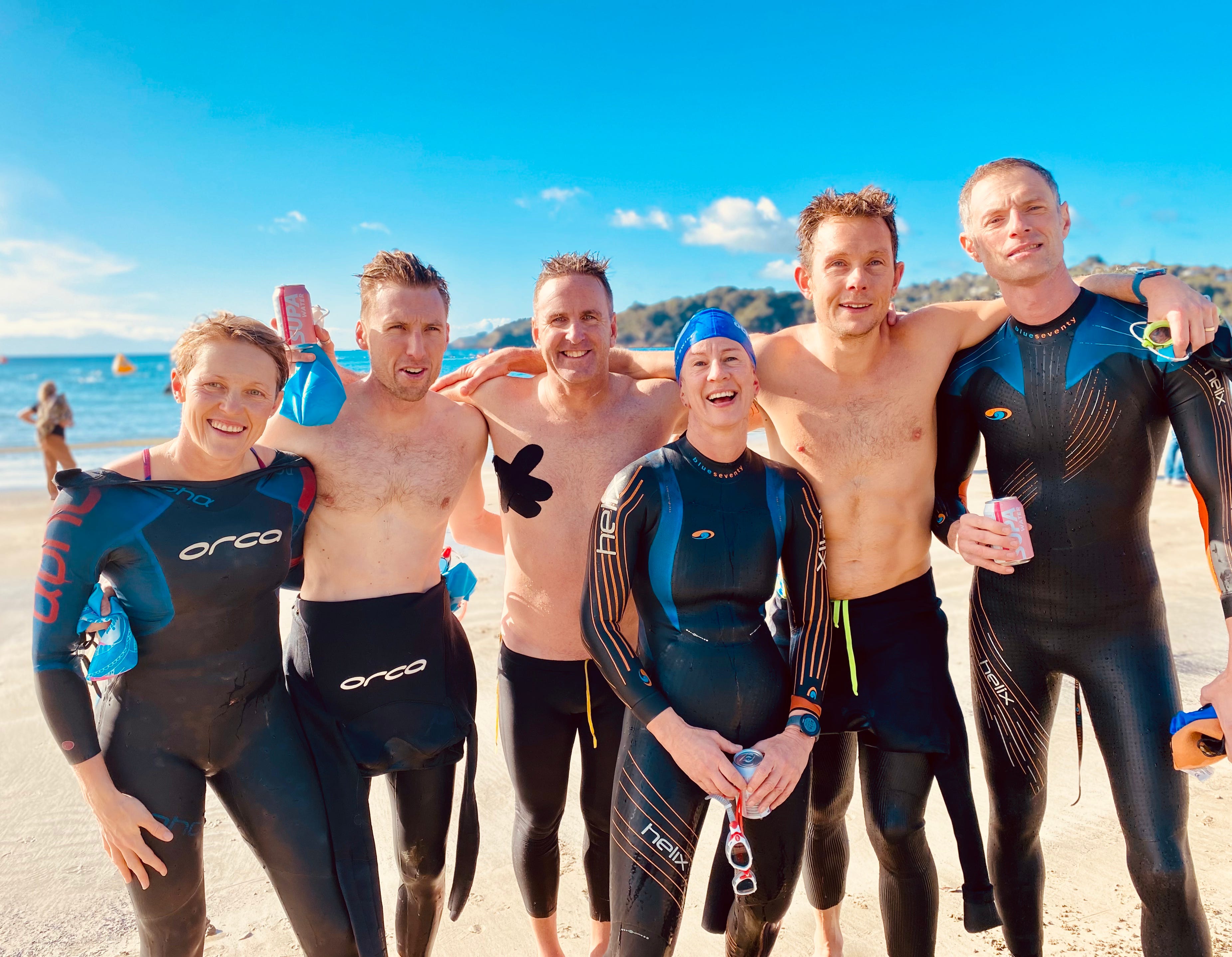
“What do you THINK about when you’re swimming all that way?”
Hey Swimmers,
It’s something I get asked all the time, particularly when talking about swims beyond 10km.
A 10km swim is often regarded as swimming’s rough equivalent of running a marathon. Beyond that, people can perhaps comprehend the physical challenge, but mentally? What on earth do you think about for all those hours?
The answer is: lots of different things. And sometimes, gloriously, nothing at all.
In fact, I think varying your mental focus is every bit as important as varying your training. Too much intensity, too many targets, too much data and you burn out. But equally, too little purpose can make consistency surprisingly difficult.
My typical swimming week demonstrates this perfectly:
Monday is my 10 × 400m session. It sounds mind-numbingly boring, but I love it. I work from around CSS +6 sec/100m down towards +3, trying to pace each repetition beautifully and chase that elusive 100 pacing score in the GURU. It demands calmness, restraint and resilience. I also squeeze it in immediately before starting work at 8am. No room for procrastination. Get in. Get it done.
Tuesday couldn’t be more different: 3.5km of technique/endurance. No beepers. No targets. Just feeling the water and refining my stroke. Ironically, without Monday’s objective, I sometimes find this session harder to start.
Wednesday is a 2km continuous tempo swim with my beeper at 1:30/100m. The game is wonderfully simple: stay ahead of the beep. I’m practising pacing, rhythm and starting strongly without needing a lengthy warm-up.
Thursday morning is 1600m open water with my mate Chris. There’s essentially no performance focus whatsoever. We catch up, watch the sunrise, swim and enjoy being out there. Sometimes that is precisely what swimming needs to be.
Thursday evening, the switch flicks back. It’s a hard CSS session with the Perth squad, chasing the young guns and holding pace. I’m also thinking as a coach: What am I learning here that will help the squad tackle this tomorrow?
Friday is often rest. Saturday is our 5km Saturday Stoic, where the group provides the motivation. My lane mates keep me honest, and I usually retain something for the inevitably tough finale.
Sunday depends on what I’m preparing for. It might be another relaxed ocean swim, or, before a big event, up to 12km wearing my Marlin GPS. I’ll turn 1:30/100m into a mental arithmetic game, building or losing “credit” every time the Marlin announces my latest pace. Suddenly several hours becomes a sequence of tiny challenges.
Taking those tools into a 10km+ swim
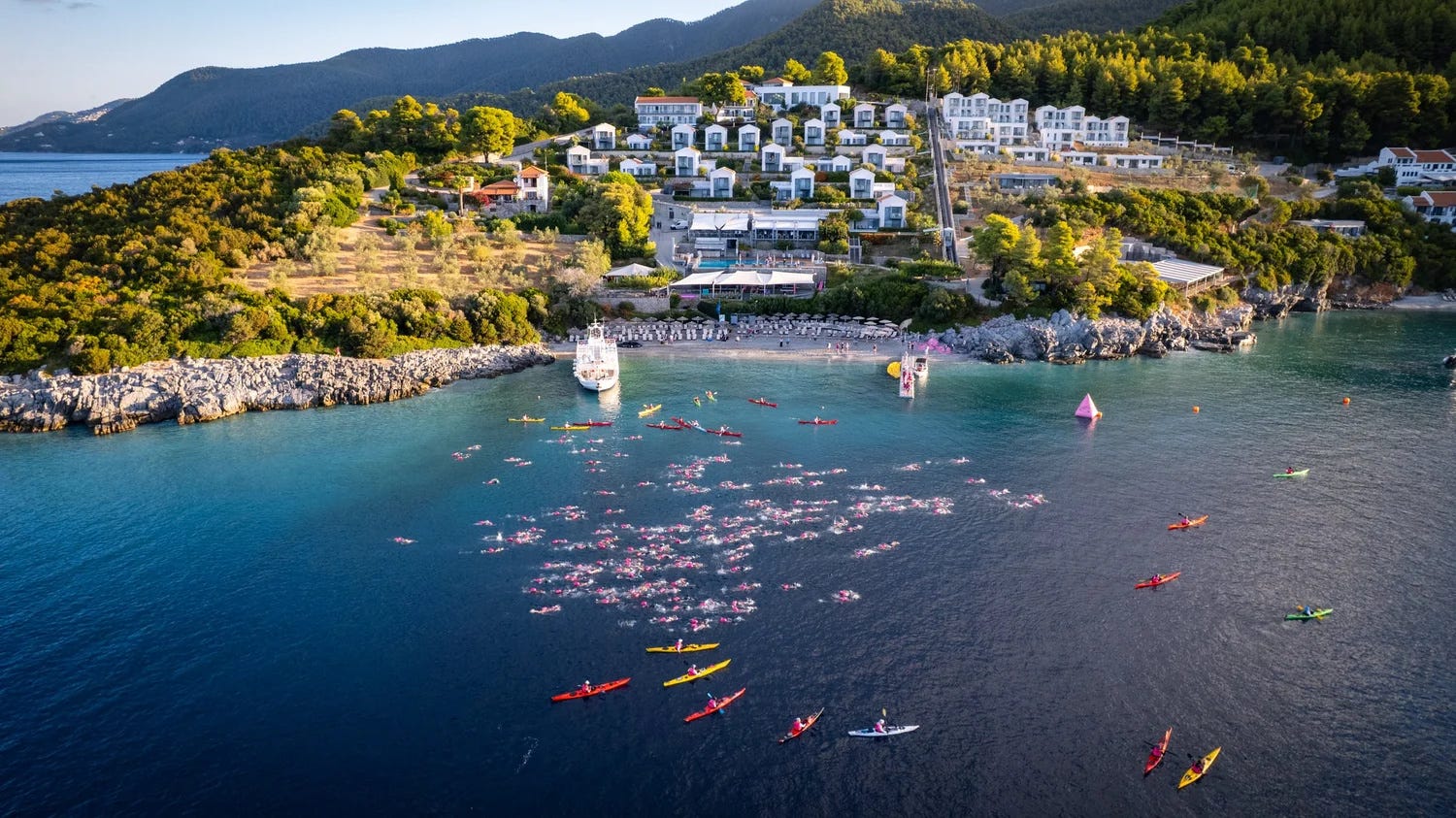
At the recent UltraSwim 33.3 in Skopelos, Greece, I found myself moving through almost all these mental modes during the 10km stage.
The opening 2km triangle was tactical: establish my position and create some daylight back to third, while elite swimmer Samir Barel disappeared up the road in first!
From 2km to around 5.5km, everything changed. The deeper water was supremely glassy and I became absorbed in the sensation of swimming: my two-beat kick, rhythm, timing and connection with the water.
Then came the headland and opposing current. Now it was about purpose: lift the stroke rate, maintain momentum, keep moving forward.
Finally, after the last feed: home.
How Do You Eat an Elephant? One Bite at a Time!
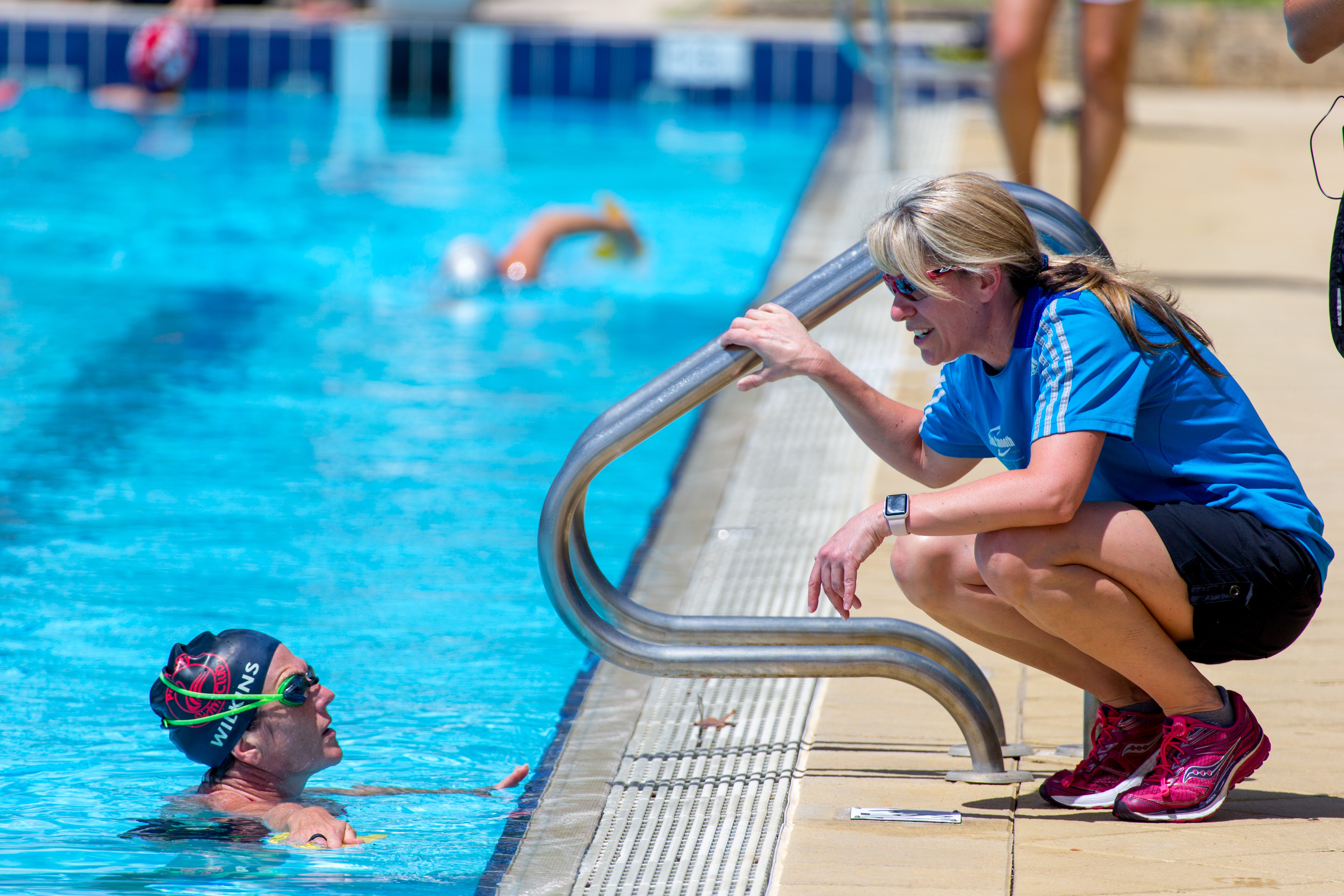
That segmentation is enormously powerful. Don’t swim 10km. Swim to the next headland. The next feed. The next kilometre. The next 100m. Sometimes simply the next stroke.
That’s perhaps my biggest advice for long-distance swimming. Build yourself a mental toolbox. Use numbers and pacing when you need focus. Use technique when you need something constructive to occupy your mind. Turn distances into games. Break intimidating challenges into small pieces. Draw energy from the people around you.
And occasionally, throw all of that away.
Watch the sunrise. Feel your hand connect with the water. Let your thoughts wander. Allow swimming to be the escape rather than another task requiring your attention.
Mental fortitude isn’t the ability to remain fiercely focused for six hours. It’s knowing when to focus, when to play, when to endure and when to let go.
And when things inevitably become difficult, remember this:
You do not need the strength to finish the whole distance. You only need the resolve to take the next stroke. Then do it again.
Thanks for reading, your Coach, Paul.
