

Hey Swimmers,
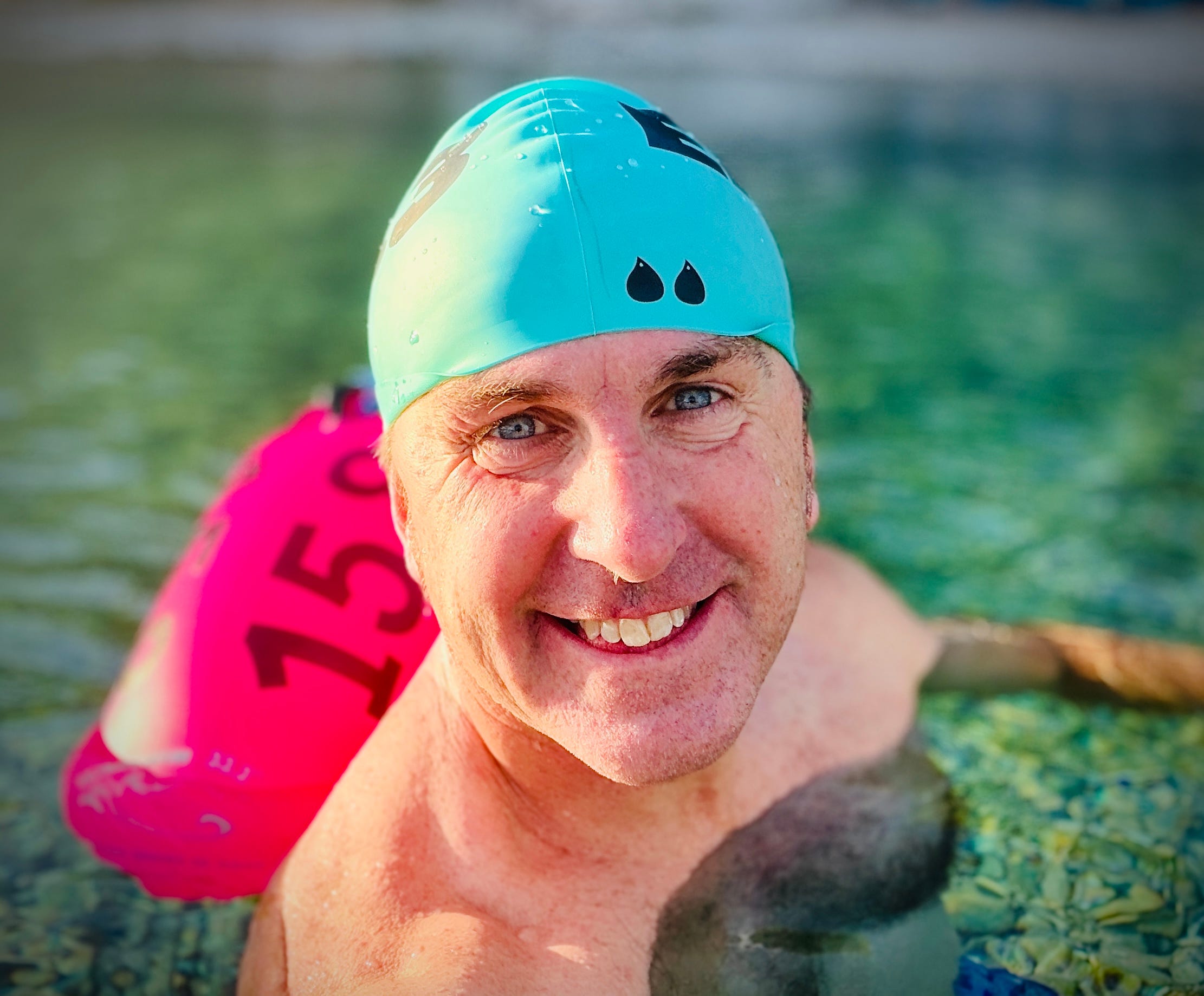
Tomorrow, Friday 18 September, I’ll line up for my third UltraSwim 33.3 - this time around the spectacular Greek island of Skopelos.
For those unfamiliar with it, the UltraSwim 33.3 is a staged marathon-swimming event covering 33.3km - the traditional distance of the English Channel - over four days and several point-to-point swims. It is a serious endurance challenge, but also a wonderful celebration of open-water swimming, bringing together an inclusive community of swimmers from around the world.
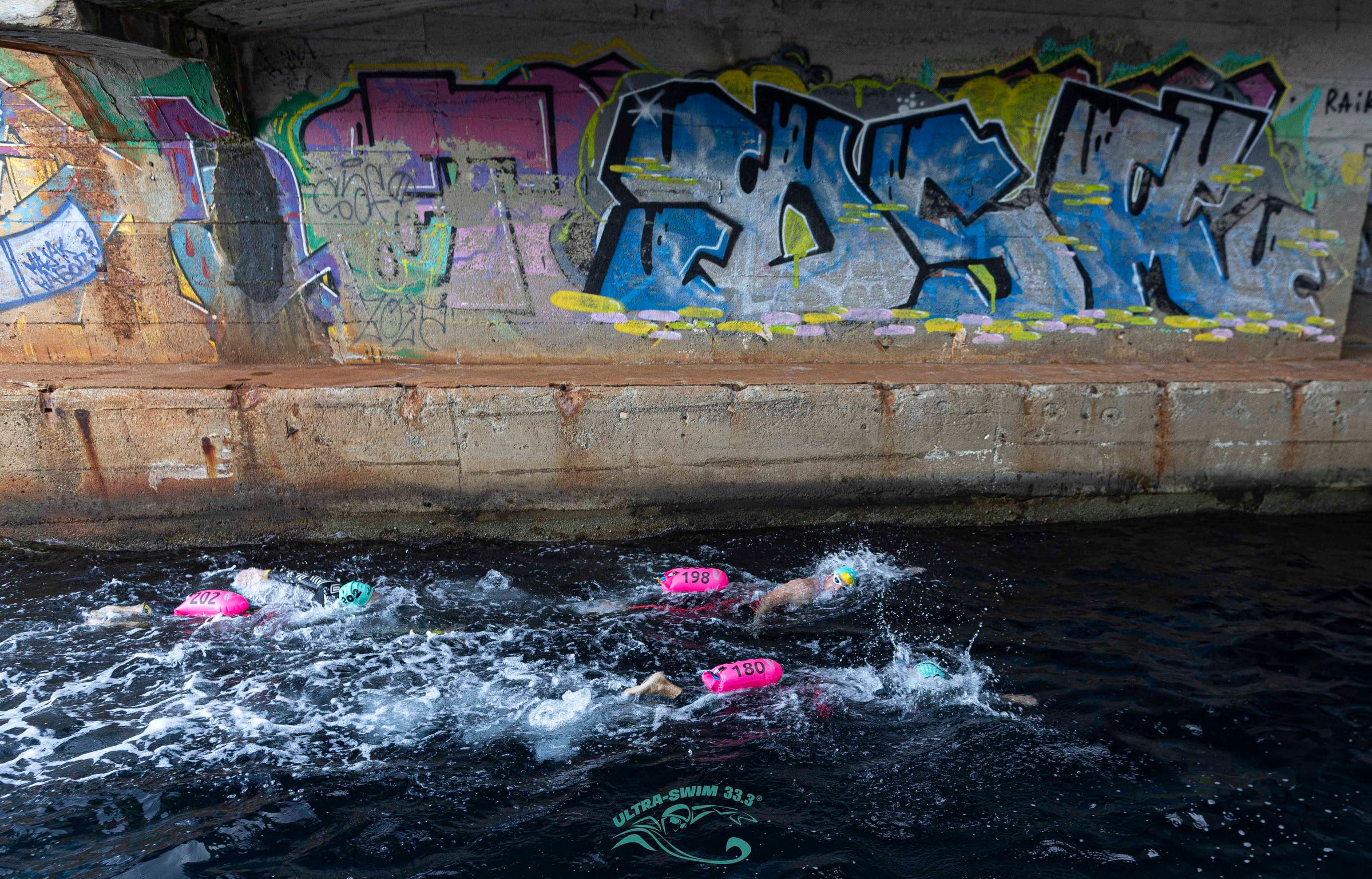
I’ve previously completed two UltraSwim 33.3 events, both in Montenegro, and was fortunate enough to win them both. However, it has now been three years since my last one - and during that time, my thoughts on tapering have evolved.

Traditionally, tapering involves noticeably reducing your training volume during the final seven to fourteen days before an important event. The aim is to lower accumulated fatigue while preserving the fitness you have worked so hard to build.
That underlying principle still makes perfect sense. What has changed for me is how dramatically I reduce my swimming.
Personally, I now prefer to keep swimming right up to the event. I reduce some of the volume, but perhaps not as much as I once did, while retaining small amounts of purposeful intensity. During the past seven days, I have still completed more than 20km of swimming.
Why? Because I like to maintain my feel for the water. If I back off too much, I can begin to feel flat, sluggish and disconnected from my stroke. Continuing to swim gives me confidence that my rhythm, timing and flow are still there.
However - and this is important - just because this approach works for me does not mean it is right for you.
What should your final week look like?
As we discussed in our 2017 article1 on tapering effectively, tapering should generally involve reducing volume while maintaining your normal swimming frequency and retaining a little intensity.
If you normally swim four times per week, you may still swim four times - but the sessions should become progressively shorter. This allows you to maintain the familiar rhythm of your week without accumulating additional fatigue.
A sensible final week might contain:
One shortened endurance session early in the week, keeping the swimming relaxed and controlled rather than completing one final monster set.
One brief CSS or race-pace session, using short repetitions with generous recovery to maintain sharpness. For example, 8 to 12 × 100m around CSS pace, but without turning it into a test of fitness.
One easy technique or recovery swim, focusing on relaxed exhalation, rhythm, alignment and your natural feel for the water.
One short pre-event loosener, perhaps 20 to 30 minutes, including a few brief efforts at race pace to wake everything up without creating fatigue.
The intensity should be familiar and controlled. This is not the week to perform a CSS test, introduce a punishing new set or prove how fit you are. That work has already been done.
For an open-water event, one or two short swims in the event environment can also be valuable. Use these to become comfortable with the water temperature, visibility, swell and your equipment. Practise sighting and swim a handful of short, purposeful efforts - but resist the temptation to turn every familiarisation swim into an unofficial race.
You should finish these sessions feeling as though you could comfortably have done more. That is often a difficult sensation for committed endurance swimmers to accept, but it is precisely the point.
Let the GURU guide you!
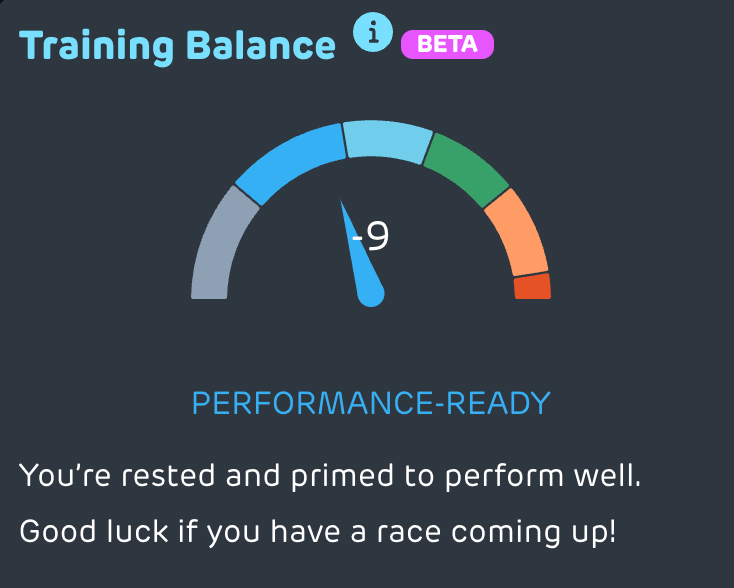
The Swim Smooth GURU can help remove some of the guesswork through its sTSS Fitness, Fatigue and Form curves.
As your event approaches, you should see your Fatigue score falling. Your Fitness score may also begin to taper slightly - and that is perfectly normal. You cannot substantially reduce fatigue without accepting a small decline in calculated fitness.
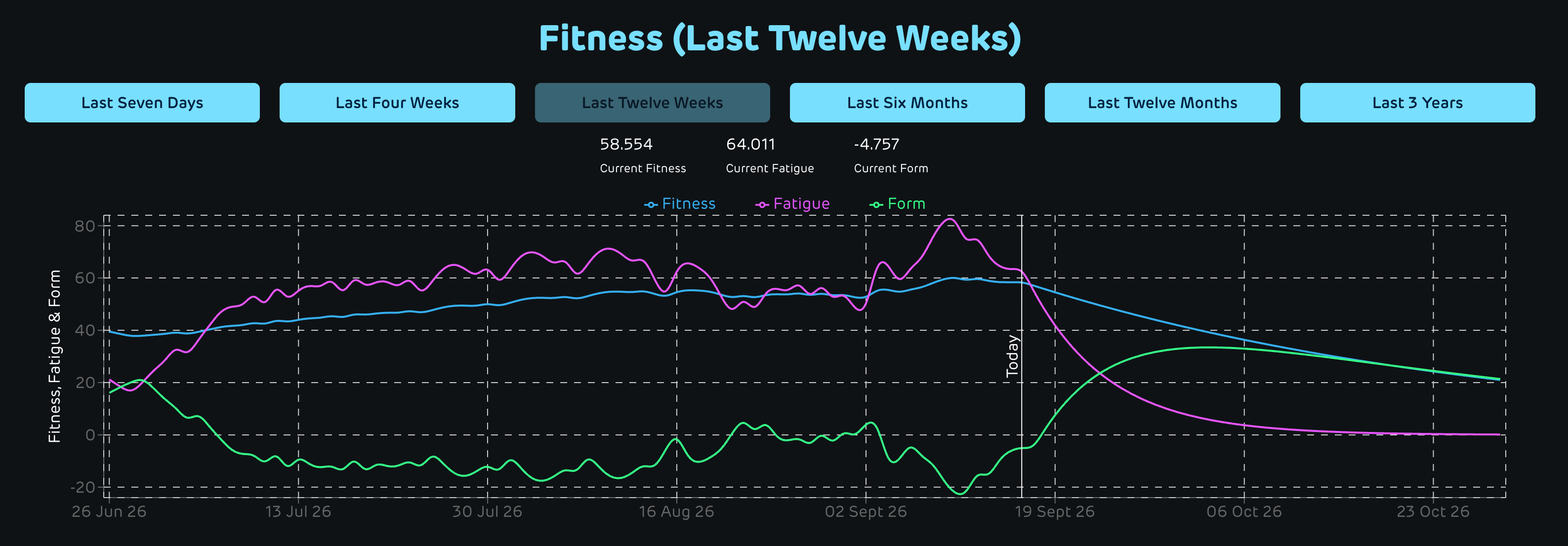
The key metric to watch is Form, shown as the green line within the GURU. As accumulated fatigue dissipates, this should begin trending positively upwards, suggesting that you are becoming fresher and better prepared to perform.
For a major endurance event, I generally aim to build my Fitness score to around 60. I reached that level a few days ago, and it is now beginning to edge down as I reduce my workload before Friday’s opening swim. I’m comfortable with that trade-off because the fitness is already in the bank; the priority now is making sure I can access it.
Your tapering checklist
A successful taper should:
Reduce fatigue without allowing you to feel completely inactive.
Reduce session volume while retaining your normal swimming routine.
Include small amounts of familiar intensity with plenty of recovery.
Maintain your feel for the water, confidence and race-specific rhythm.
Avoid fitness tests, unfamiliar sessions, new equipment and last-minute heroics.
Prioritise sleep, nutrition, hydration and recovery away from the water.
Leave you eager to swim rather than relieved that another hard week is over.
Above all, remember that tapering is highly individual. Your age, training history, normal weekly volume, current fatigue and response to rest should all influence how much you reduce.
The goal is not to arrive at the start having done as little as possible. Nor is it to squeeze in one final block of fitness that simply cannot be gained at this late stage.
The goal is to arrive rested but not rusty, energised but not restless—and still unmistakably feeling like a swimmer.
If you’re racing in Skopelos this weekend, make sure you come and say hi!
Thanks for listening, your coach, Paul.

