

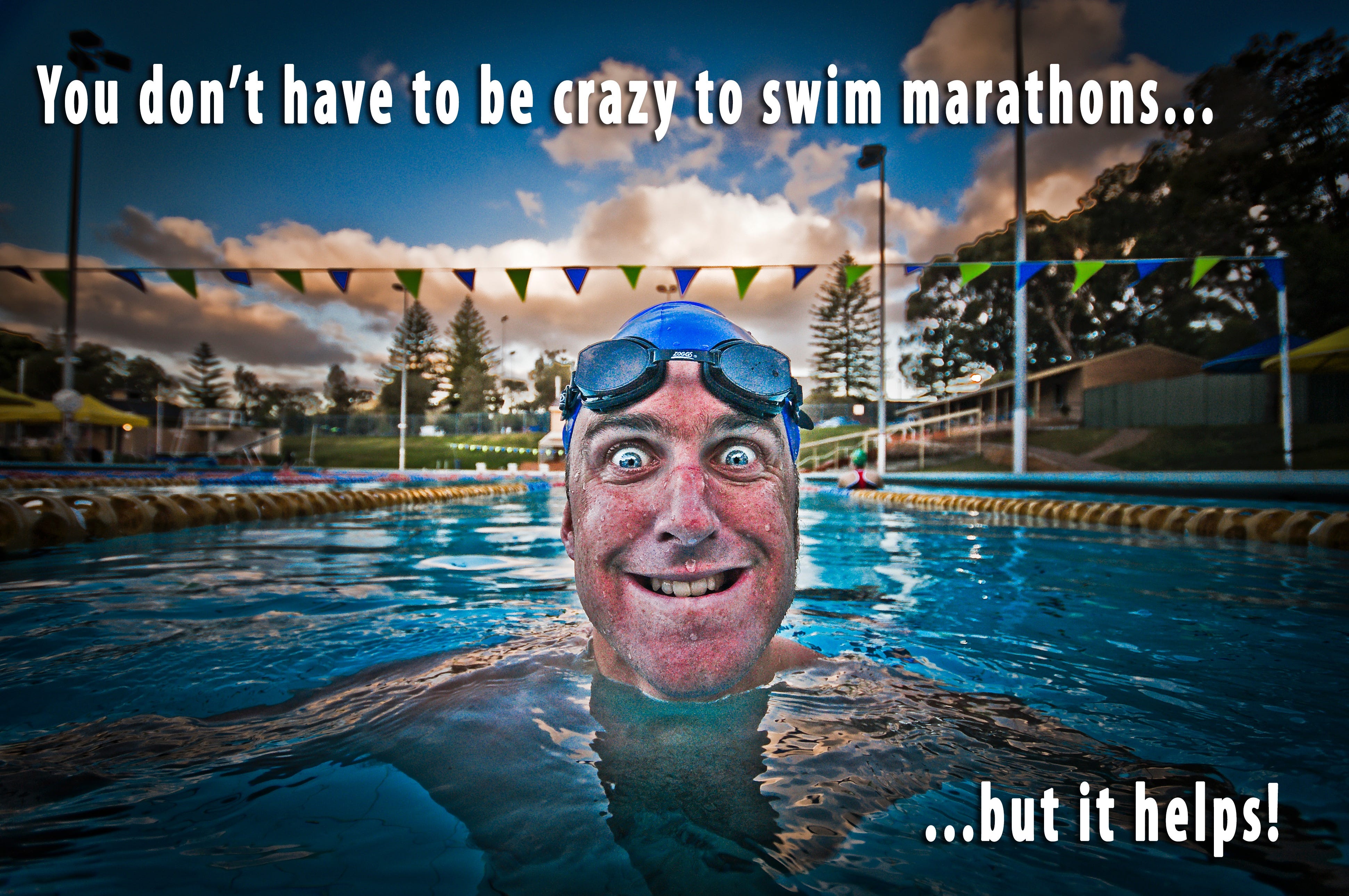
Hey Swimmers
It is now just under 15 years since I swam the English Channel, yet the experience remains remarkably vivid.
On 8 September 2011, after waiting in Dover for nearly three and a half weeks, I finally got my opportunity. My daughter Isla was due to be born only a couple of weeks later, so this had become a genuine do-or-die attempt. If I did not swim that day, three years of preparation would end with me returning home empty-handed. Admittedly, I would be returning home to welcome a brand-new member of the family, so it was not all bad!
That long wait taught me something most people do not realise about swimming the English Channel: completing the training is only one part of the challenge. Getting yourself onto the start line is an undertaking in itself.
The next time you are sitting in a pub and a mate casually says, “I’d love to swim the English Channel one day,” here is the first thing you can tell them:
You cannot simply enter it.
There is no ballot, no mass start and no online form where you select a date, pay your money and turn up. Swimming the English Channel is part athletic challenge, part maritime operation and part negotiation with the moon.
Here is how it actually works.
Step one: book the boat, not the swim
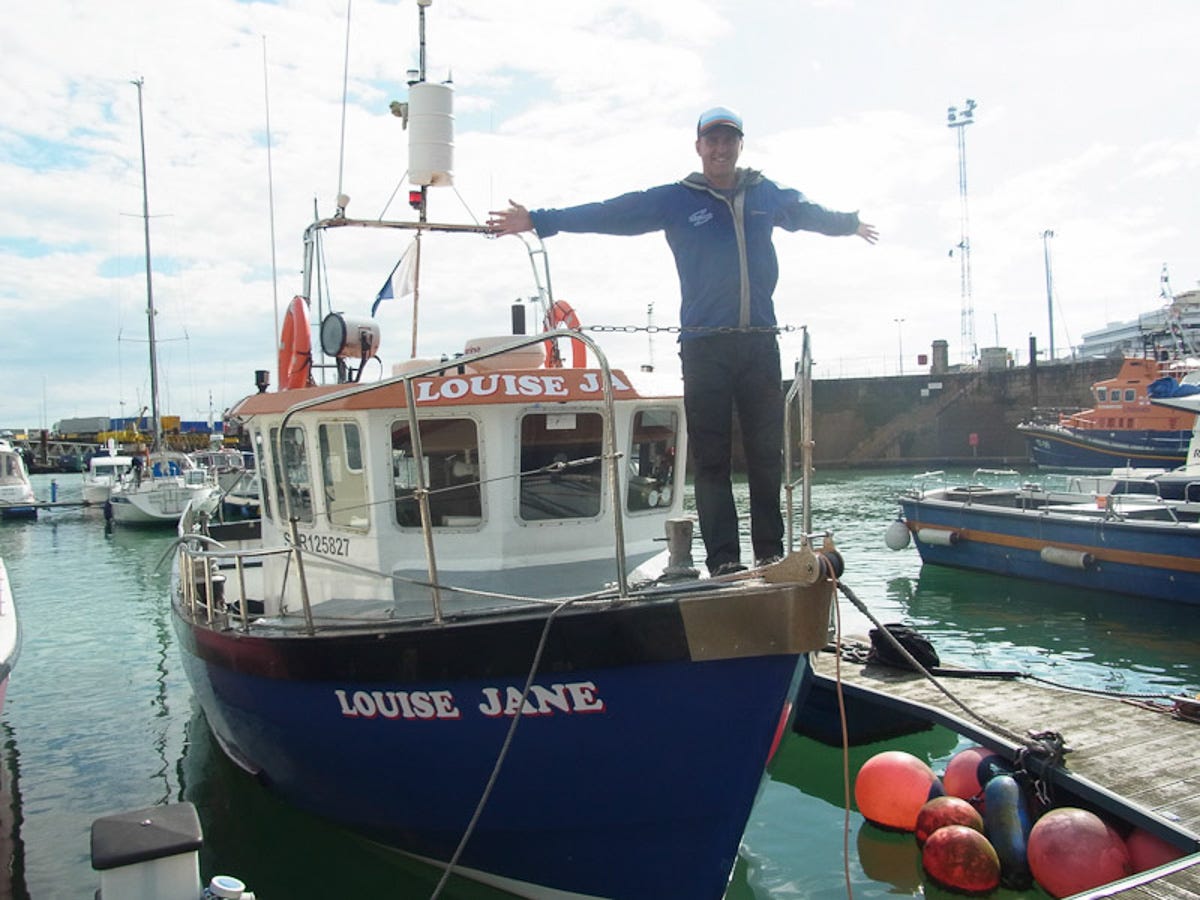
The first thing an aspiring Channel swimmer must do is secure an officially registered pilot boat. These boats are the scarce resource in the whole operation, with bookings often made two or three years in advance.
Across the two recognised governing organisations, the Channel Swimming Association (CSA) and the Channel Swimming & Piloting Federation (CS&PF), there are only around 13 registered escort boats available to serve swimmers from all over the world.
You contact the pilots directly and ask which tidal windows and positions they have available. You might be offered something such as “third swimmer on the July neap tide.”
That does not mean you are swimming on the third day of July. It means you are third in line during a particular tidal window. If conditions allow the first two swimmers to go, you are next. If bad weather intervenes, you might wait several days, move into another window or not swim at all.
The contract is between you and the pilot. You pay the pilot directly, usually with an initial reservation fee followed by a substantial deposit. The boat fee for a one-way attempt is typically around £3,500, although every pilot sets their own prices and terms.
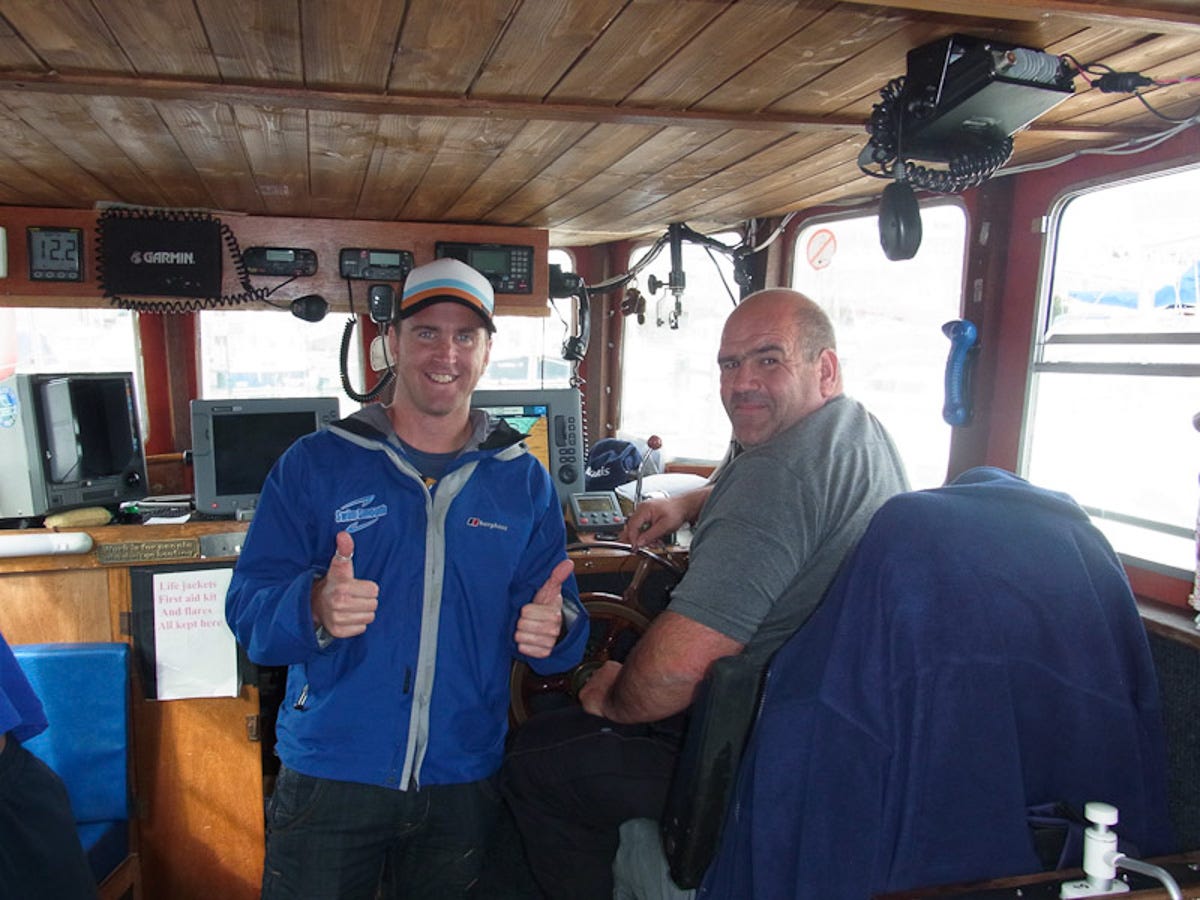
Choosing your pilot generally determines which of the two governing organisations you register with. Both organisations appoint an official observer, enforce the rules and ratify successful crossings.
For my swim, I was registered with the CSA and piloted by Andy King aboard the Louise Jane. The relationship with your pilot is critically important. You are trusting them to interpret the weather and tides, select the correct starting time and guide you safely through one of the world’s busiest shipping lanes.
You must prove that you are ready
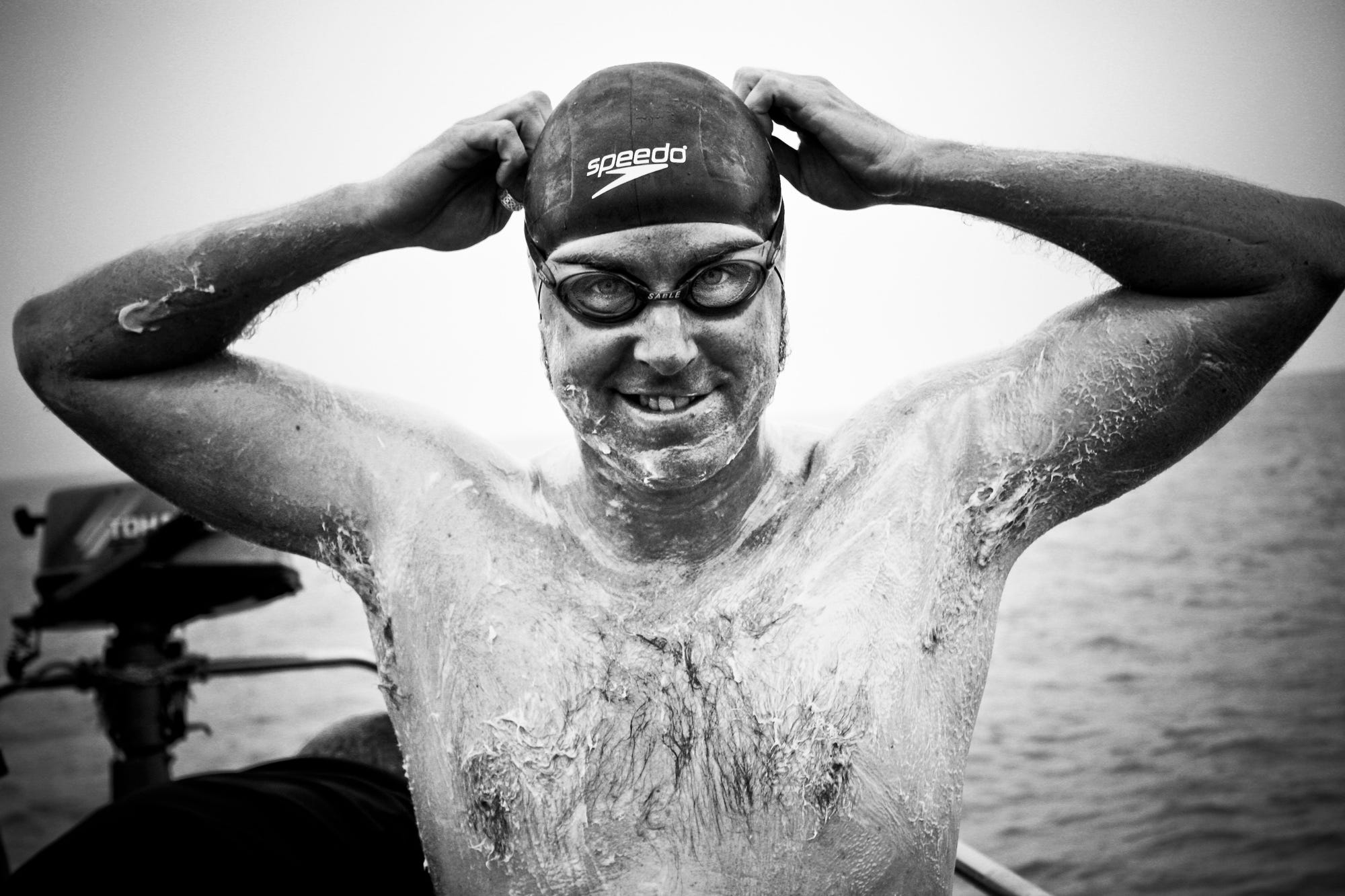
Booking a boat does not automatically qualify you to start.
A solo swimmer must complete a verified six-hour swim in cold water. Under the CS&PF rules, that means water at 16°C or below, completed within 18 months of the attempt and at least 14 days before the tidal window begins.
That six-hour swim should not be mistaken for the training required to cross the Channel. It is simply the minimum evidence that the swimmer understands what prolonged exposure to cold water feels like.
There is also a medical assessment, paperwork and registration fees. Applications generally need to be completed by 30 April in the year of the swim.
By the time travel, accommodation, training camps, pilot fees and contingencies are included, an overseas swimmer could realistically spend £5,000 to £8,000 or more.
You do not receive a fixed start time
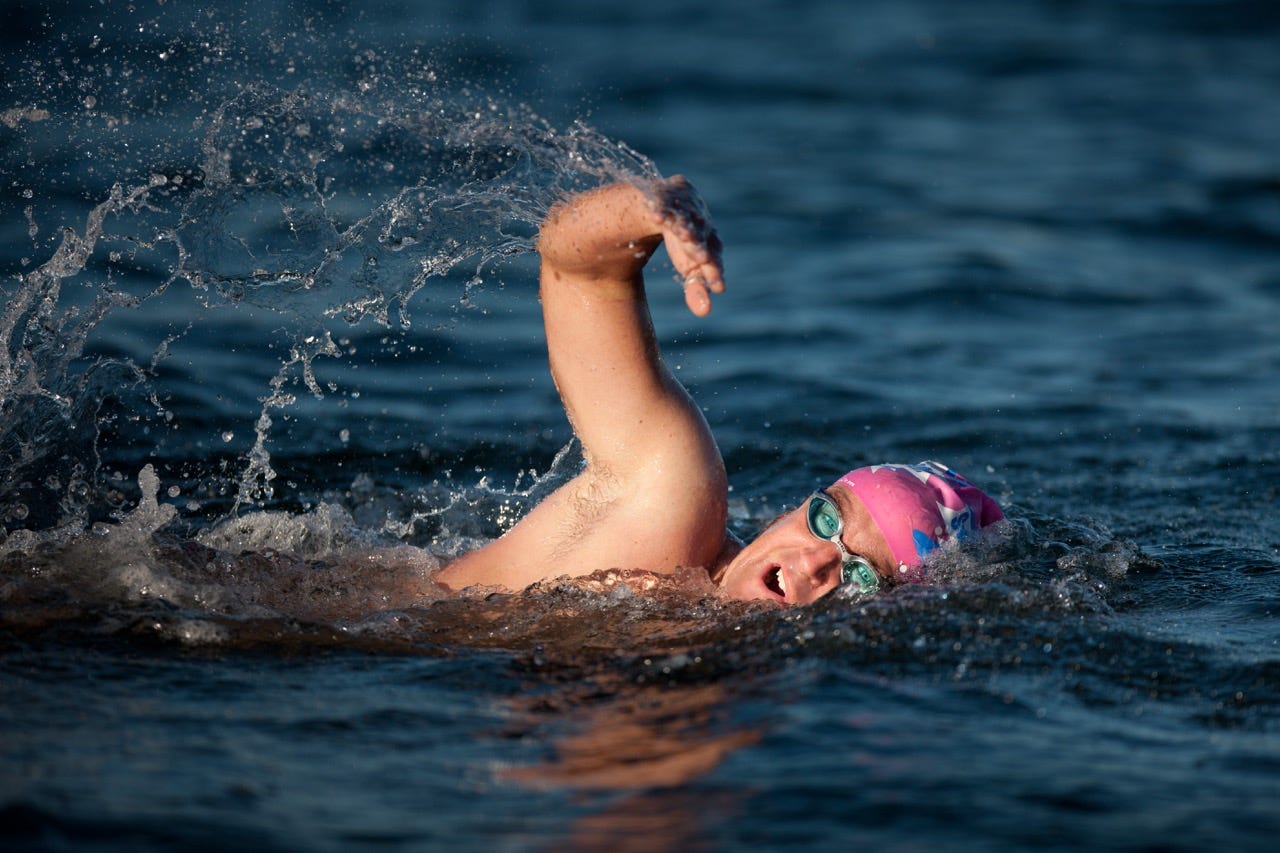
The Channel swimming season now runs from 1 April to 31 October, but most swimmers favour the warmer summer months.
When your tidal window arrives, you travel to Dover and wait.
And wait.
Your pilot studies the weather, wind, sea state and tides. The call might come the evening before. It could also come at short notice, with a start in the middle of the night.
My wait lasted almost three and a half weeks. Every day brought the same mixture of hope, frustration and uncertainty. You need to remain physically prepared to swim, but you also have to manage your energy and emotions. You cannot spend every day worrying that this might be your last opportunity, yet you must be ready if the telephone rings.
By 8 September, I was running out of time. Isla was about to arrive and I needed to return to Australia. This was my chance, regardless of whether the Channel was offering the conditions I might have chosen.
Most swims begin from Samphire Hoe or Shakespeare Beach. The swimmer enters the water from the boat, swims to shore, stands clear of the water and then begins on the observer’s signal.
From there, France is approximately 21 miles or 34 kilometres away.
Except, of course, it is not that simple.
Why Channel swimmers travel in an “S”

The tides in the Dover Strait are extraordinarily powerful. They flow along the Channel rather than conveniently carrying a swimmer directly towards France.
For roughly six hours, the water pushes the swimmer in one direction. The tide then changes and carries them back the other way. Viewed on a tracking map, a successful crossing usually resembles an elongated “S”.
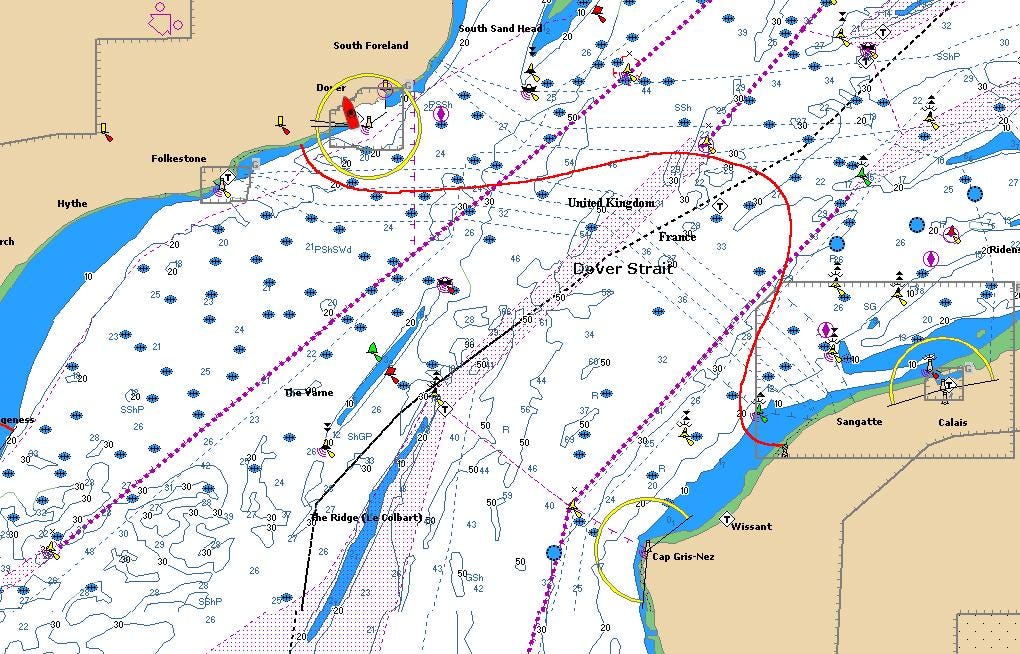
This is not poor navigation. It is the pilot working with the tide.
Spring tides occur around the new and full moons, when the gravitational effects of the sun and moon combine. They move more water and create stronger tidal streams. Neap tides occur around the quarter moons, when those effects partially counteract one another.
Most swimmers prefer neap tides because the flow is gentler and the period around the turn of the tide is longer. That can provide more margin for error near the French coast. Faster swimmers may sometimes use a spring tide to their advantage, but it demands extremely accurate timing.
This is where a slow feed can become surprisingly expensive. If a swimmer stops for three minutes every hour during a 14-hour crossing, they lose 42 minutes. Near France, that could be the difference between landing quickly and being swept beyond Cap Gris Nez. What appears to be another 20 minutes of swimming can suddenly become two additional hours.
The pilot is not merely following alongside. They are constantly calculating where the swimmer needs to be several hours into the future.
The day the Channel showed its teeth
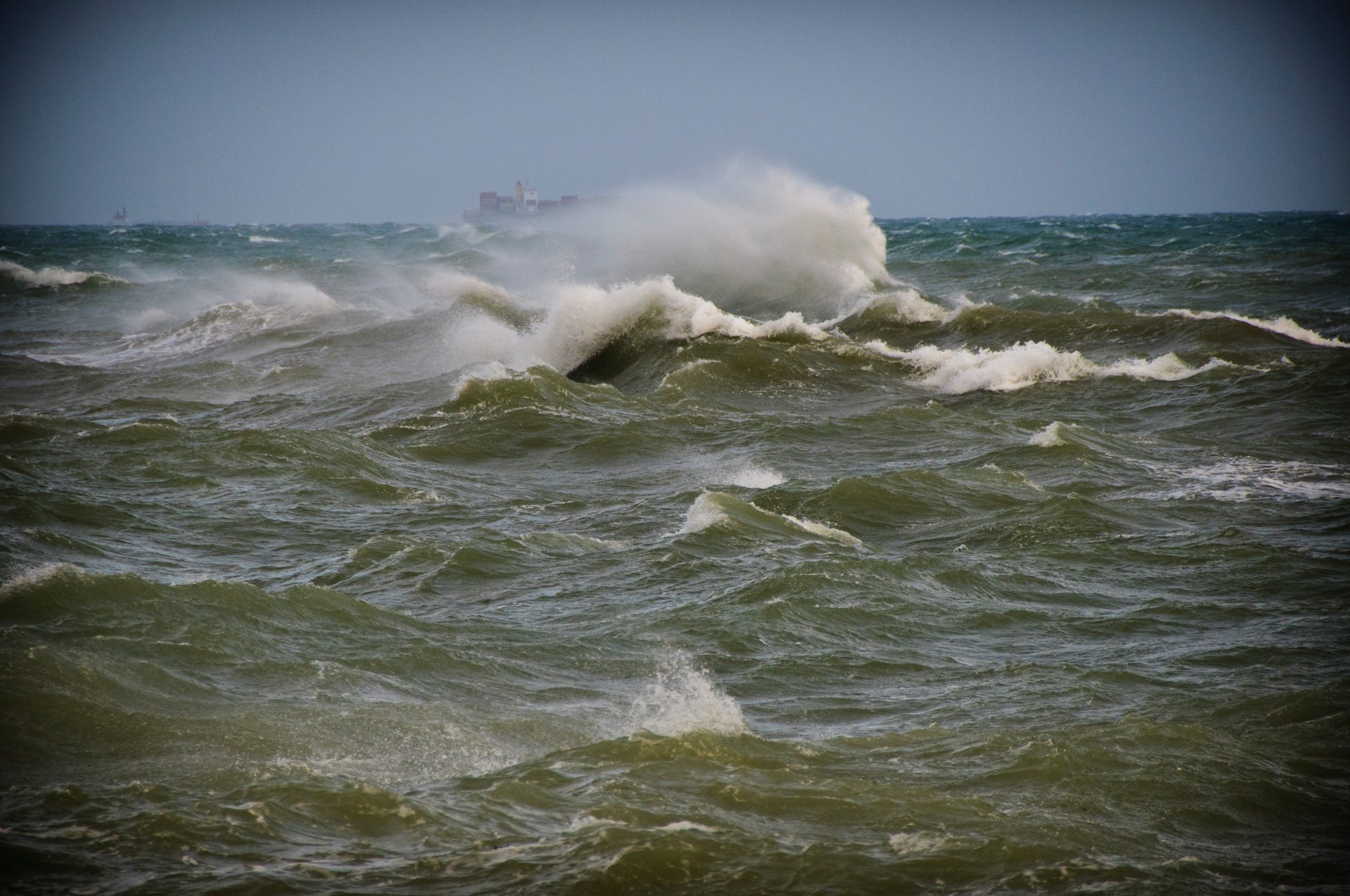
I completed my crossing in 12 hours and 14 minutes. Strangely, I have always felt a little embarrassed by that time. It is only around 46 minutes faster than the often-quoted average crossing time of approximately 13 hours, and I had hoped my swimming background might produce something quicker.
But times rarely tell the complete story in open water.
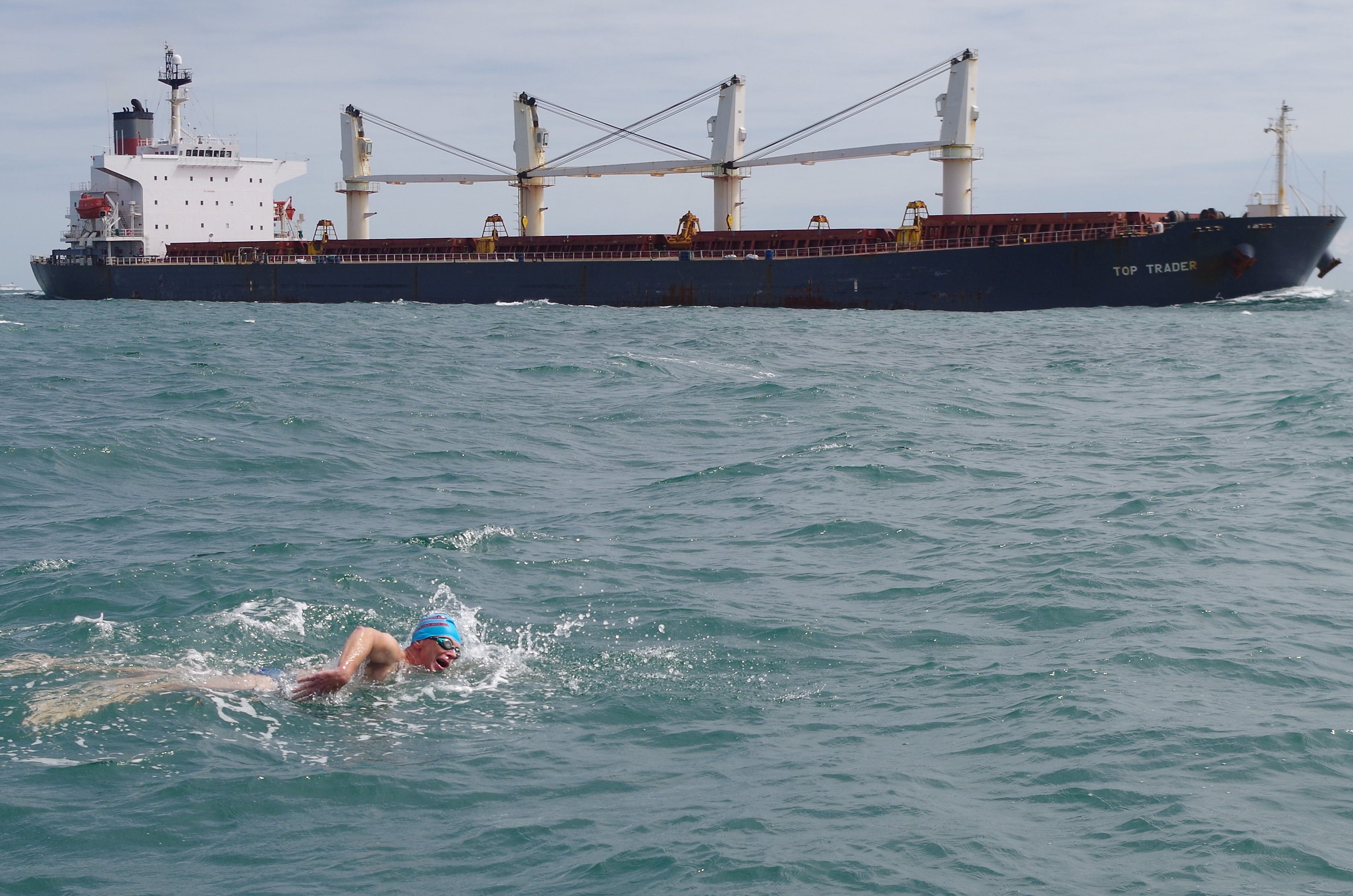
Conditions that day were horrendous. The south-westerly wind reportedly reached approximately 28 to 35 knots, and the water temperature was around 14°C. It was terribly rough, terribly cold and a genuine battle against the elements.
Later, 8 September was regarded as the most challenging day of the 2011 Channel season on which anyone successfully completed a crossing. Around 20 swimmers set out that day, but only two finished. I was one of them.
With hindsight, that matters far more than whether the clock read 10, 11 or 12 hours. The Channel is not a swimming pool. You cannot meaningfully compare two crossing times without understanding the tide, wind, temperature, starting position and sea state experienced by each swimmer.
Sometimes success is not about producing the time you imagined. It is about continuing to move forwards when the conditions bear little resemblance to the day you had hoped for.
France does not count until you clear the water
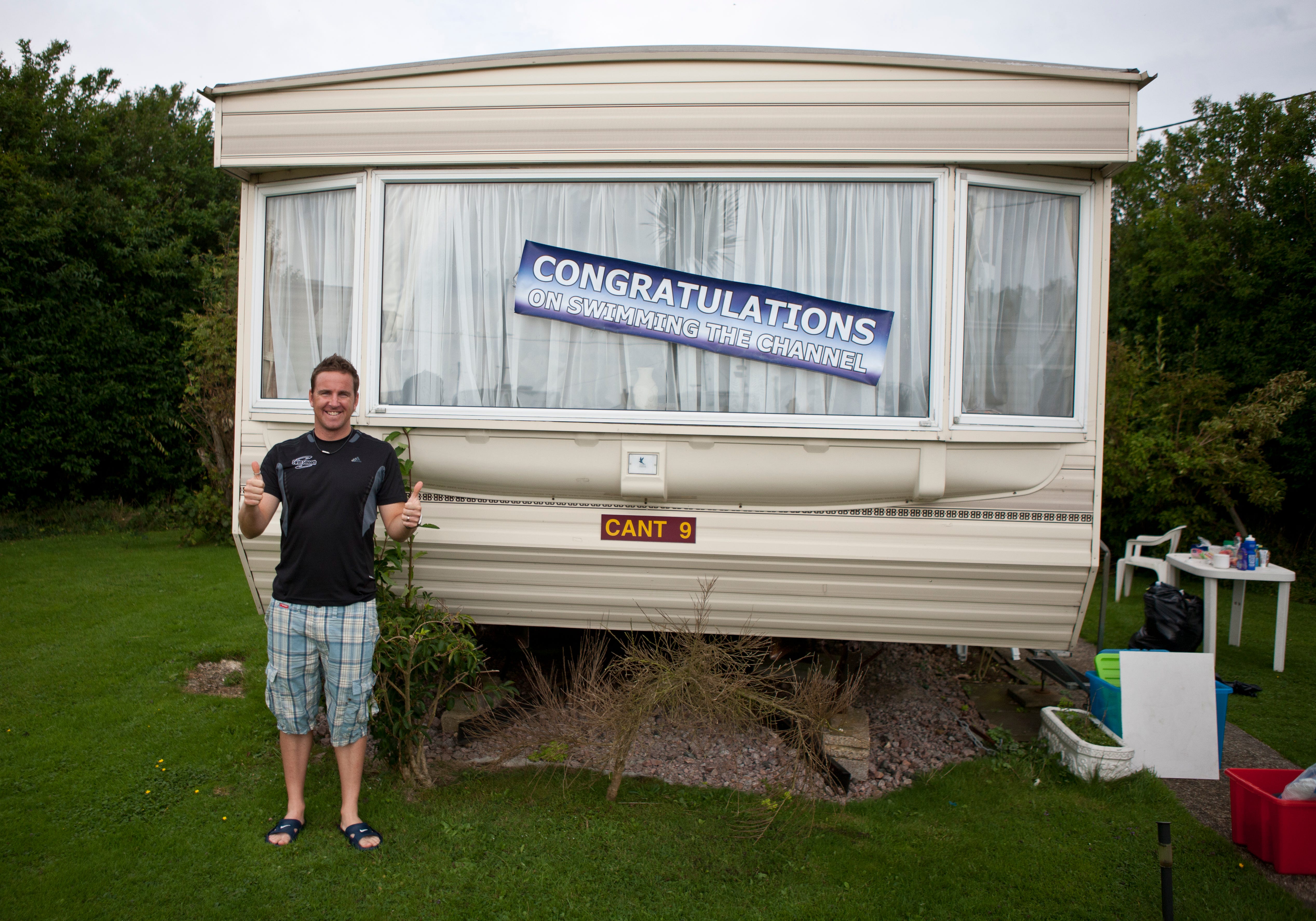
Channel rules are beautifully simple and brutally strict.
The swimmer may wear one standard costume, one cap and goggles, but no wetsuit or buoyancy aid. They cannot touch the boat or another person. Food and drinks must be passed or thrown from the boat without physical contact.
To finish, the swimmer must reach France and clear the water onto dry land. If cliffs make that impossible, they must touch the rock face with no seawater beyond them.
Only then does the boat sound its horn.
The swimmer usually returns to England aboard the pilot boat, exhausted, cold and often seasick, while their observer prepares the report required for ratification.
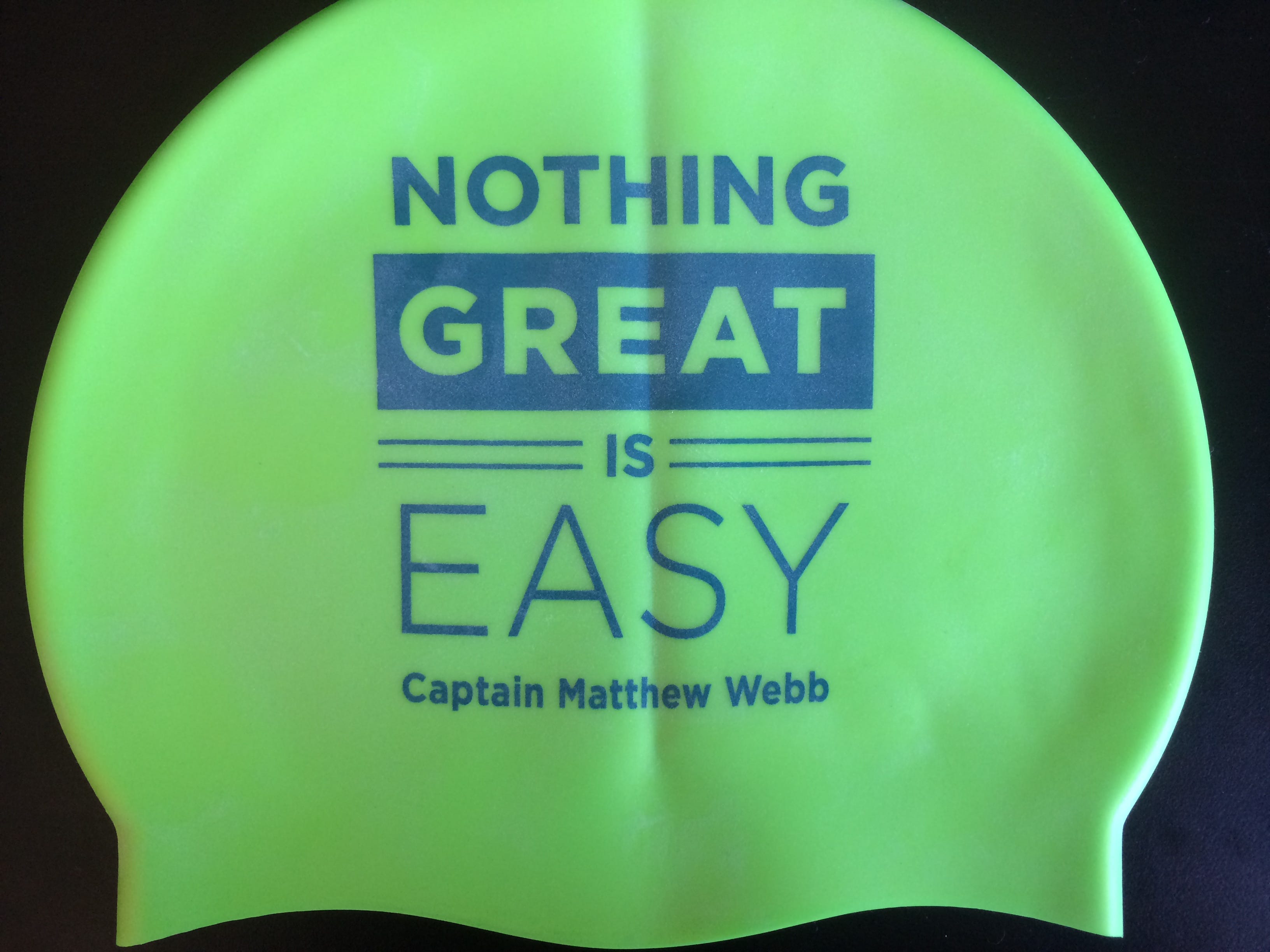
Captain Matthew Webb completed the first recognised crossing in 1875, swimming breaststroke for 21 hours and 45 minutes. Today’s fastest swimmers have completed it in under seven hours, while other successful crossings have taken close to 29.
But the defining challenge has never been the straight-line distance.
It is gaining a place, completing the preparation, remaining ready through years of uncertainty and then matching your swimming to a narrow opening created by the weather, the tides and the moon.
Would I do it again?
When people ask whether I would swim the Channel again, my usual answer is no. I have done it, ticked the box and experienced everything I wanted from it.
I loved the challenge. I loved battling the elements, and I loved taking on something widely regarded as one of the hardest physical challenges a person can attempt.
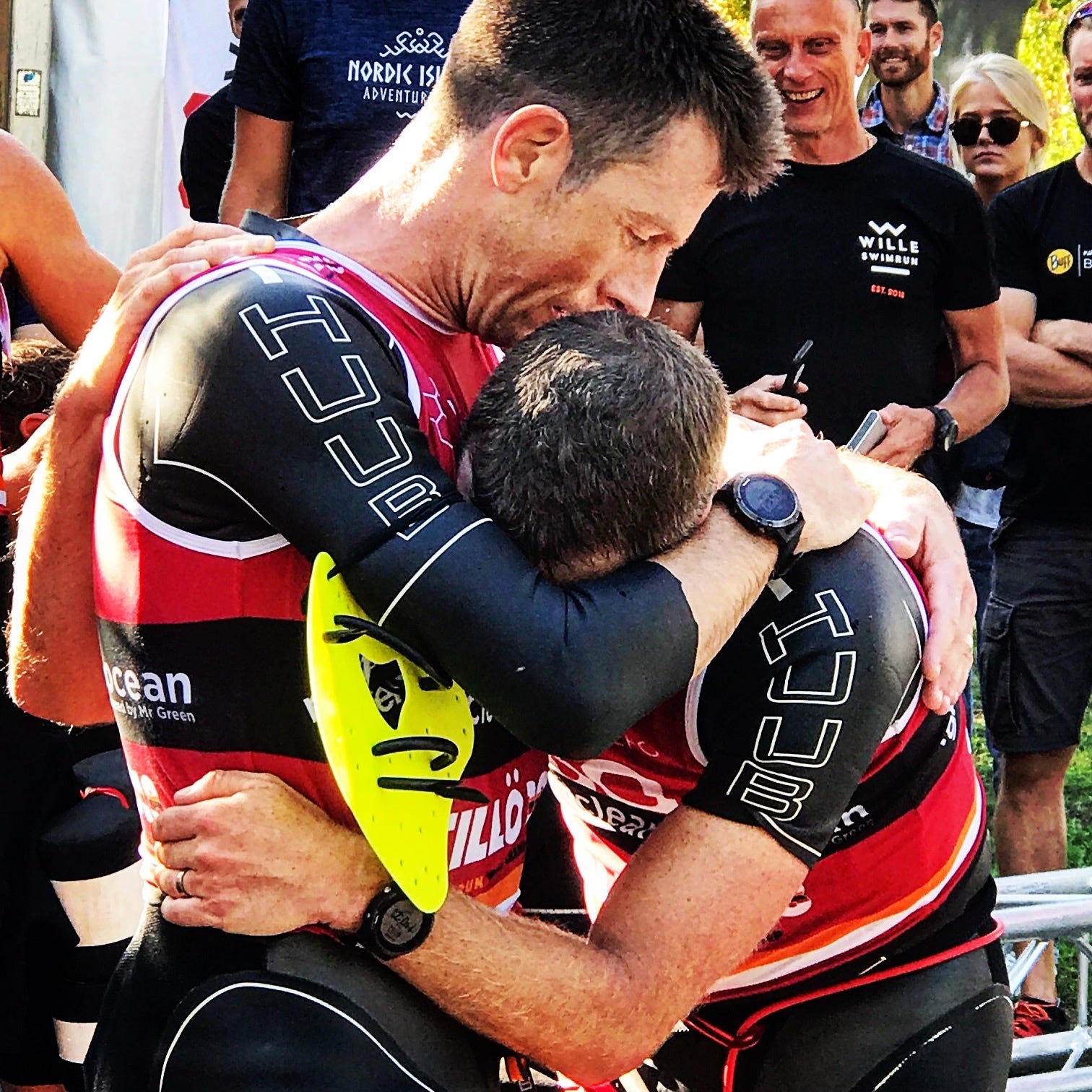
Interestingly, it was not the hardest endurance event I have personally completed. That distinction belongs to the 2018 ÖTILLÖ Swimrun World Championship, which I raced with Precision Fuel & Hydration founder Andy Blow. We covered approximately 75 kilometres, including 10 kilometres of open-water swimming and 65 kilometres of trail running, in a little over nine hours. For me, that was substantially harder.
But the Channel is different. Its history, uncertainty and reliance on nature give it a mystique that very few sporting challenges can match.
If I ever did consider returning, I would want to live in the UK for the summer. I would keep myself ready and hope to cherry-pick a favourable day, perhaps even attempting a carefully selected spring tide as some faster swimmers do.
For now, that remains very much a pie-in-the-sky idea.
So, the next time somebody in the pub says, “It’s only 21 miles, isn’t it?” you can smile knowingly.
On the map, perhaps.
In the Channel, there is no such thing as only 21 miles.
Thanks for reading. Your Coach, Paul.
