

Hey Swimmers
Having now attended ten BestFests in Mallorca over the years, I can say without hesitation that this year’s event produced my best performances yet.
At 47 years of age, that’s not something I necessarily expected. Yet throughout the week I found myself swimming times and paces that I hadn’t seen since my early twenties. More importantly, each race delivered a lesson that I think all open water swimmers can learn from.
For those unfamiliar with the event, BestFest is my favourite collection of open water swims anywhere in the world. Over six days, swimmers can take on a variety of races ranging from 1.5km through to 10km, all set in the beautiful waters surrounding Colònia de Sant Jordi in Mallorca.
The week begins with a 5km point-to-point swim, followed by a 3.8km Ironman-distance race. Tuesday features a 1.5km race and the unique 2.5km “Tell Me Your Time” event, where swimmers predict their finishing time before setting off. Wednesday brings the famous 3km Volcano Swim, Thursday is the big test with either a 7km or 10km swim at Es Trenc Beach, and Friday rounds everything off with a fun relay event.
This year attracted a record 580 swimmers, creating a fantastic atmosphere throughout the week.
Lesson One: Experience Doesn’t Replace Attention
The opening 5km swim taught me a lesson I should probably have learned years ago.
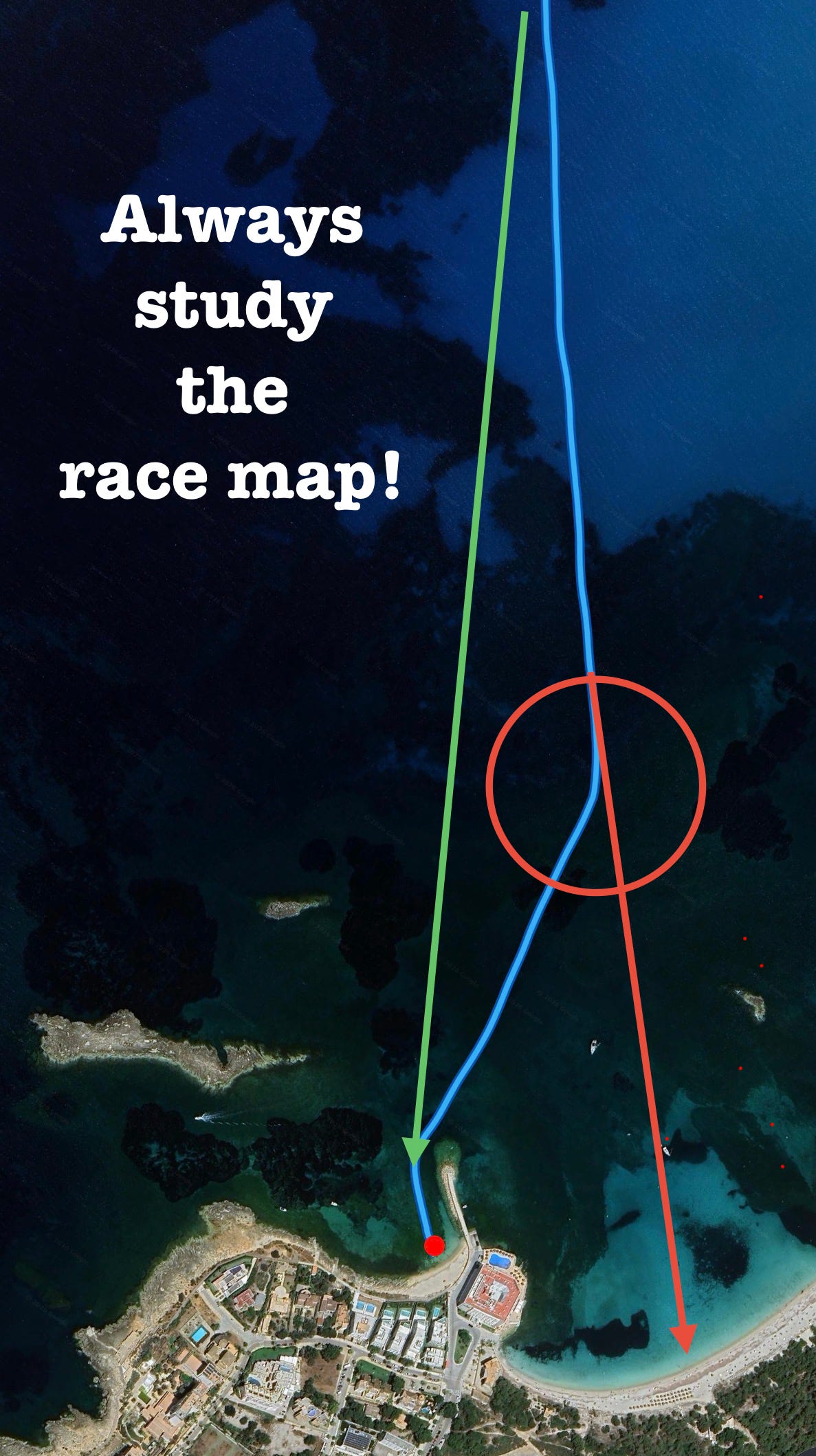
Before the race, the course maps showed the finish line to the left of the Marques Hotel. I’d studied the maps carefully and even pointed the finish location out to several swimmers attending our Swim Smooth Experience Camp.
Unfortunately, the organisers changed the finish location during the final race briefing.
I missed it.
Throughout the swim I felt fantastic. In fact, I ended up swimming a personal best for the course at around 1:14 per 100m pace. Yet despite feeling strong, I gradually found myself drifting towards the wrong side of the hotel. I remember wondering why everyone else seemed to be swimming further to my right.
Eventually a kayaker was sent over to redirect me.
The immediate emotions were frustration and embarrassment. Not only had I made the mistake myself, but I’d also unknowingly shared incorrect information with others.
The lesson was simple: preparation matters, but awareness matters more. No amount of experience can compensate for failing to pay attention to what is happening right now.
»Results Time: 1:01.17 | Distance: 5,000m | Pace: 1:14/100m
Lesson Two: Sometimes Second Place Is Your Best Race
The following day brought the 3.8km swim and one of the most enjoyable races I’ve ever experienced.
I found myself locked in a battle with the FINA Open Water Swimming Grand Prix 2017 30km gold medallist, Alex Studzinski from Germany1 and 18-year-old Irish swimmer Brian Foster. Brian is one of only two people in history to have completed a double crossing of the North Channel, swimming there and back in water temperatures between 10 and 12 degrees Celsius. He holds the world record as being the fastest male to do the double and also the youngest swimmer in history to complete the single crossing of the channel highly regarded as the hardest channel swim on the planet.2
For almost the entire race we swam together, constantly changing positions and fighting for the draft.
With around 600m remaining, I decided it was time to make my move.
I surged once. Brian matched me.
I surged again. Brian matched me.
I surged a third time. Brian still matched me.
As we approached the finish, I thought I finally had him. I was first to my feet for the run into shore. Then I stumbled on some submerged rocks. Brian kept his footing, surged ahead and took the win by 0.6s.
I’ve never emptied the tank so completely in a race. I was bent double for several minutes afterwards.
Yet despite finishing second, I couldn’t have been happier. Sometimes the result isn’t the lesson. Sometimes the lesson is discovering how deeply you’re willing to commit when the challenge presents itself.
»Results Time: 50.36 | Distance: 3,800m | Pace: 1:19/100m
Lesson Three: Find Better Feet
Tuesday morning brought the shortest race of the week, the 1.5km swim.
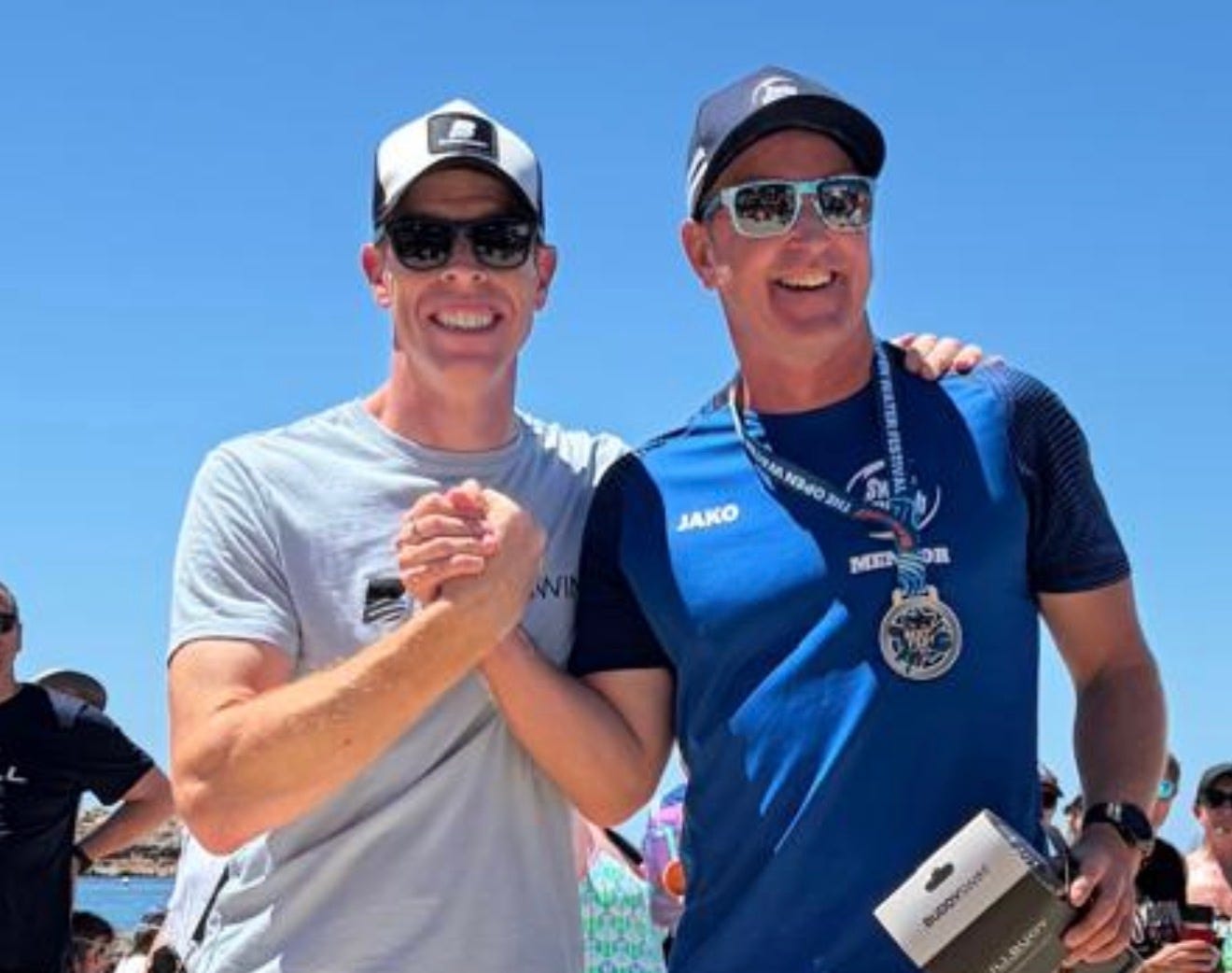
This event isn’t normally my favourite because the start is absolute chaos. However, I spotted Alberto Bottini3 on the start line and immediately formed a plan.
Alberto, 58, is a former Olympian, a multiple Masters World Champion and one of the strongest open water swimmers I’ve ever raced against.
When the gun went off, I simply jumped on his feet.
For over a kilometre I held on as best I could. Alberto wasn’t surging. He wasn’t attacking. He was simply swimming at a level that I couldn’t quite sustain.
Eventually he pulled away, but not before dragging me to one of my fastest-ever performances over the distance.
The lesson? Find people who are slightly better than you and spend as much time as possible trying to keep up with them.
Swimming has a remarkable way of raising your standards when you’re surrounded by excellence.
»Results Time: 17.30 | Distance: 1,500m | Pace: 1:10/100m
Lesson Four: Adapt to Conditions
The afternoon’s 2.5km “Tell Me Your Time” swim brought different challenges.
The wind had increased significantly and the water conditions had changed. Rather than trying to force my normal stroke, I modified my recovery, focused on feeling the waves and allowed the conditions to dictate the rhythm.
The swim felt effortless.
Open water rewards adaptability. The swimmers who thrive aren’t necessarily those with the most perfect stroke. They’re often the ones who make the smartest adjustments when conditions change.
»Results Time: 31.27 | Distance: 2,500m | Pace: 1:16/100m
Lesson Five: Drafting Is a Skill
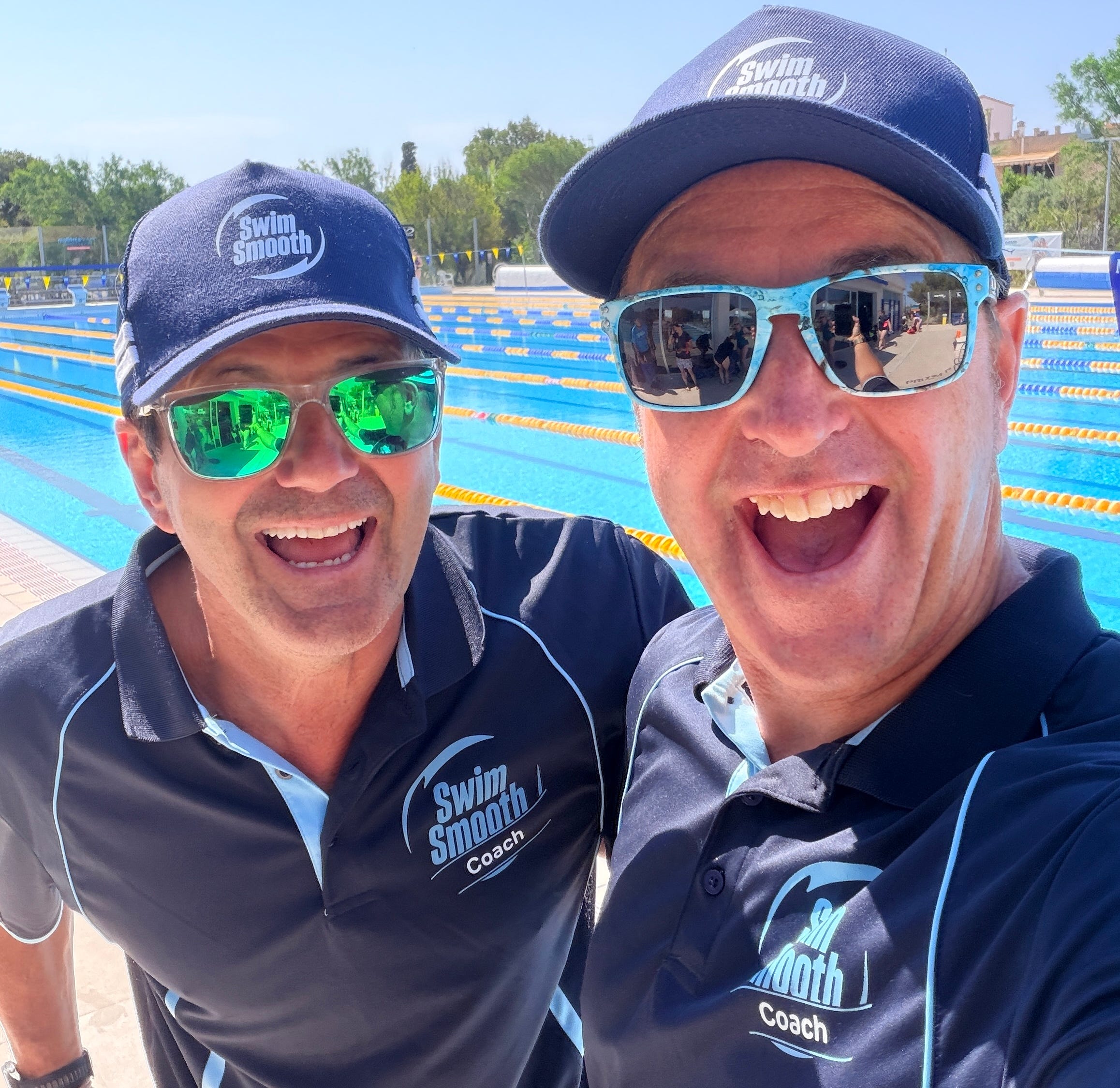
The 3km Volcano Swim on Wednesday is often viewed as a social event.
That lasted until the starting gun went off.
I immediately found Alberto’s feet again and spent the next 3km trying not to look up at all. With two earlier waves of swimmers in front of us, navigation was challenging, but Alberto handled that responsibility while I concentrated entirely on drafting.
The result was another excellent swim and a valuable reminder that drafting is not cheating, it’s a skill.
The ability to save energy while maintaining speed becomes increasingly important as race distances increase.
»Results Time: 35.33 | Distance: 3,000m | Pace: 1:11/100m
Lesson Six: Your Rivals Are Hurting Too
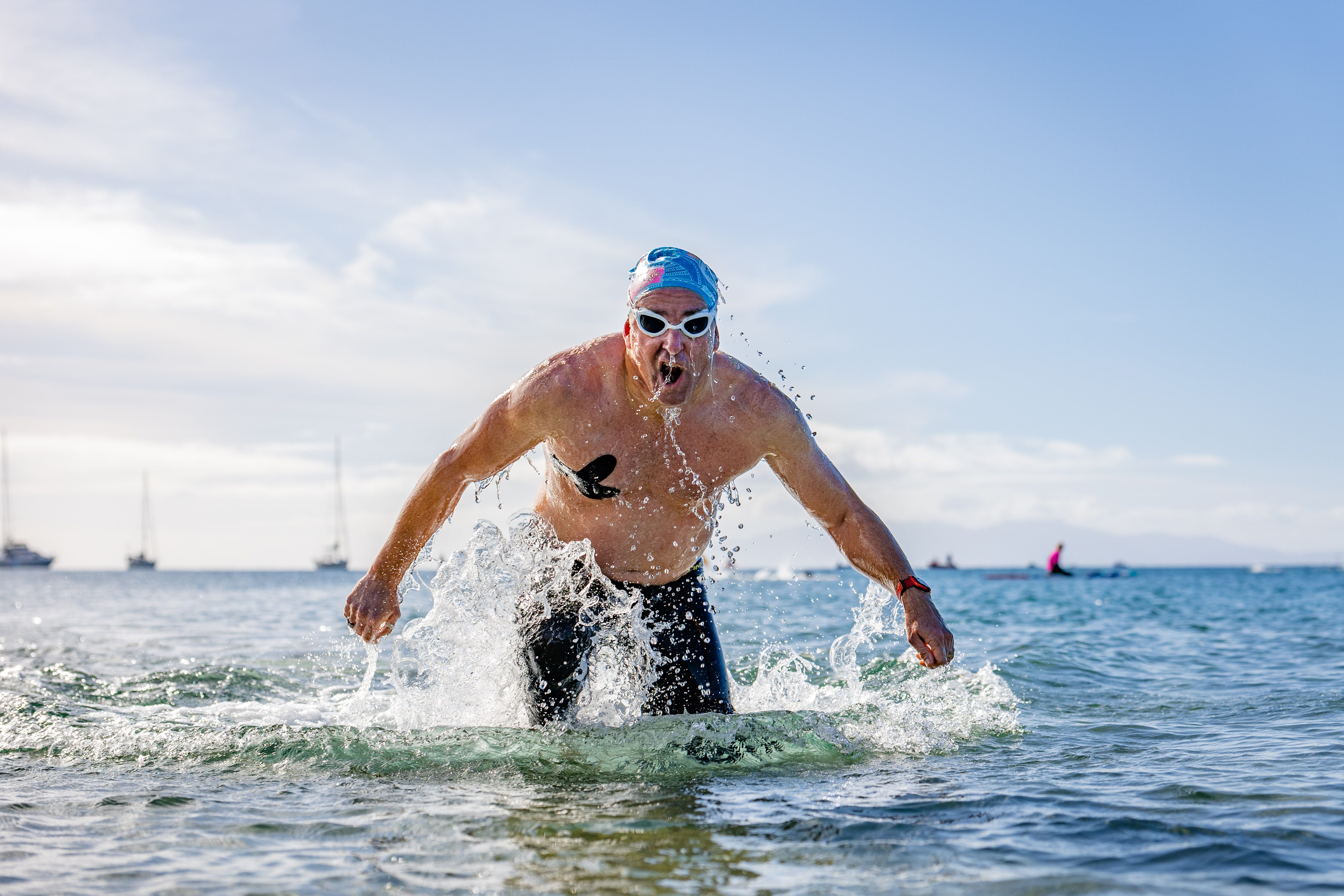
Thursday’s 10km race was the culmination of the week.
By this point most swimmers are carrying fatigue, sore mouths from days of salt water, and a fair amount of emotional exhaustion.
I’d spent much of the previous evening worrying about Brian Foster, who had beaten me in the 3.8km race and seemed likely to challenge again.
Overnight, however, Brian developed tonsillitis and was unable to start. I was gutted for him and gutted for the competition we’d established between us that week.
It reminded me of something I’ve experienced many times before.
We often assume our rivals are stronger, fresher and more prepared than we are. Yet they’re usually fighting their own battles too.
I still pushed hard throughout the 10km, eventually finishing one of my strongest performances on the course. The lesson was clear: stop wasting energy worrying about what others might do and focus on executing your own race.
»Results Time: 2:11.58 | Distance: 10,000m | Pace: 1:19/100m
Total racing time: 5:28.21 | Total Distance: 25,800m | Average Pace: 1:16/100m |
1st Overall in Non-Wetsuit, Non-Elite
Why Mallorca Keeps Teaching Me
What struck me most this year wasn’t the results themselves.
It was the fact that every race delivered a lesson.
Pay attention. Commit fully. Surround yourself with stronger swimmers. Adapt to conditions. Learn to draft. Trust your own preparation.
After ten BestFests, I still came away learning new things.
That’s one of the reasons I love open water swimming so much. The moment you think you’ve mastered it is usually the moment the water teaches you otherwise.
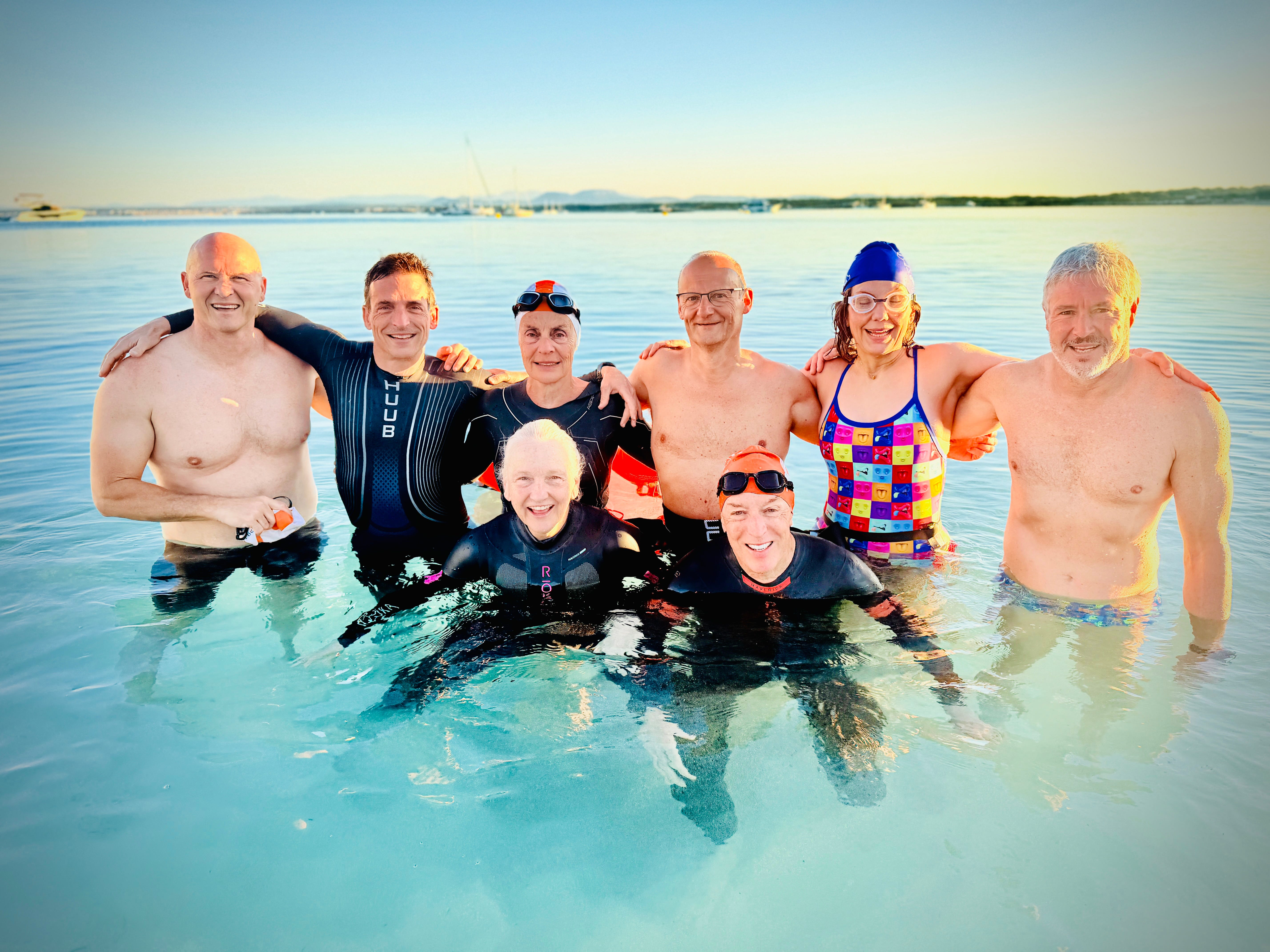
Next week, in Part Two, I’ll share some of the lessons from our Swim Smooth Experience Camps before and after BestFest, and explain why spending a dedicated week immersed in your swimming can accelerate progress in ways that regular weekly training simply cannot.
Thanks for reading. Your Coach, Paul
