

Hey Swimmers,
Firstly, a quick apology from me for this week’s slightly delayed post. After wrapping up three fantastic weeks in Lanzarote, my journey home took me via London, Helsinki and Bangkok before finally landing back in Perth, a journey that stretched to nearly four days given the need to avoid the Middle East.
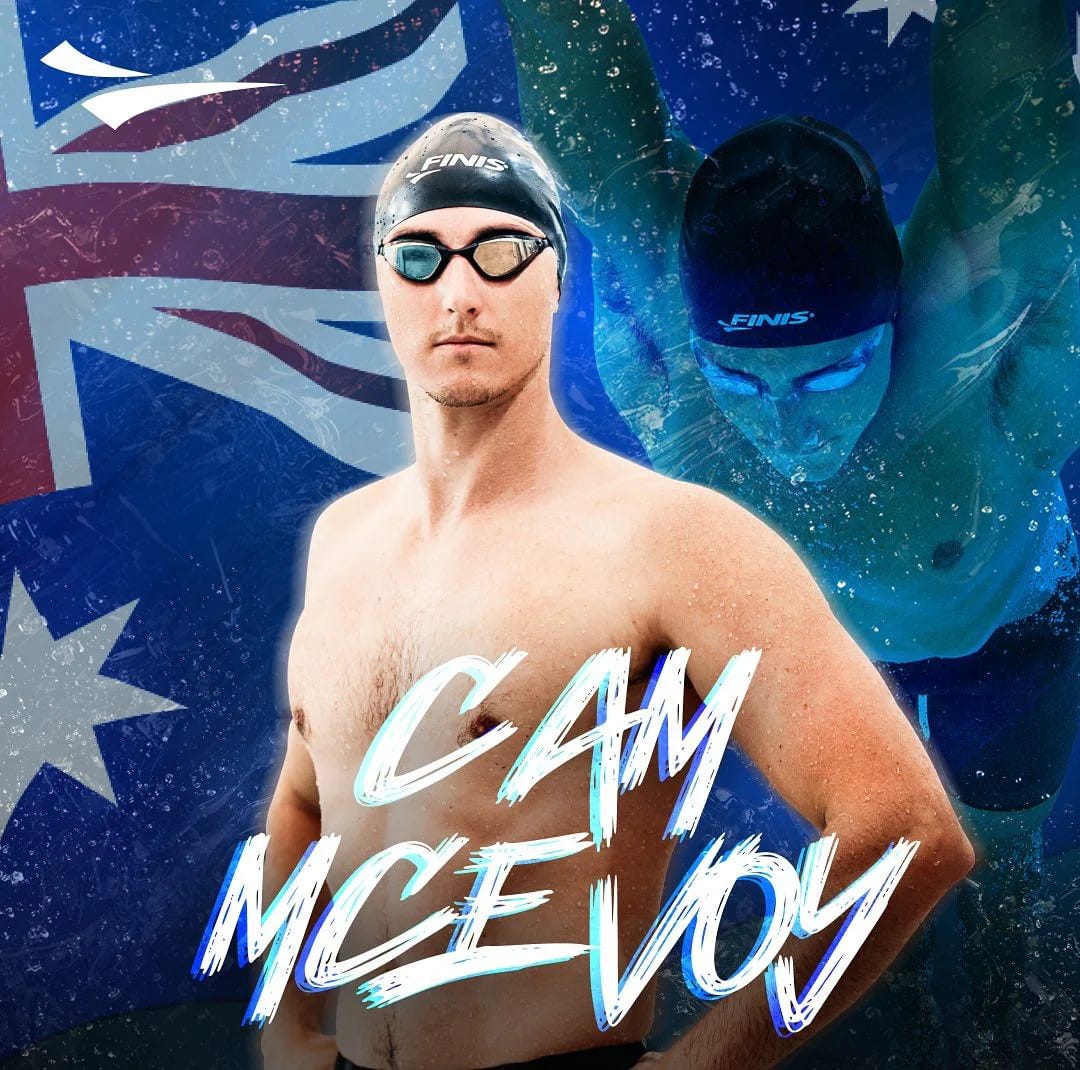
Somewhere between time zones and airport lounges, one story cut through loud and clear: Cameron McEvoy has just etched his name into swimming history.
At the China Swimming Open in Shenzhen, the reigning Olympic and World Champion stopped the clock at 20.88 seconds in the 50m freestyle, breaking a 17-year-old world record previously held by César Cielo. What makes this even more remarkable is that Cielo’s record was set in the era of high-tech suits in 2009, long since banned from the sport.
To go faster now, in textile suits, is nothing short of extraordinary.
But as always, the headlines only tell part of the story.
“Less Is More”… or Is It?
You’ll likely have seen the narrative doing the rounds:
”McEvoy proves that training less is the key to success.”
Reports of his ultra-low volume, sometimes as little as 1,300m per week in the water, have sparked plenty of debate.
It’s a compelling idea. Train less, swim faster.
But it’s also a dangerous oversimplification.
What McEvoy is really demonstrating isn’t that less is more, but that specificity is everything.
Sprint swimming has, for decades, often been approached with surprisingly high volume. McEvoy has flipped that on its head, focusing intensely on the precise demands of the 50m freestyle: power, speed, neuromuscular sharpness, and recovery. His training is minimal in volume, yes, but incredibly rich in purpose.
A Familiar Pattern
This isn’t entirely new.
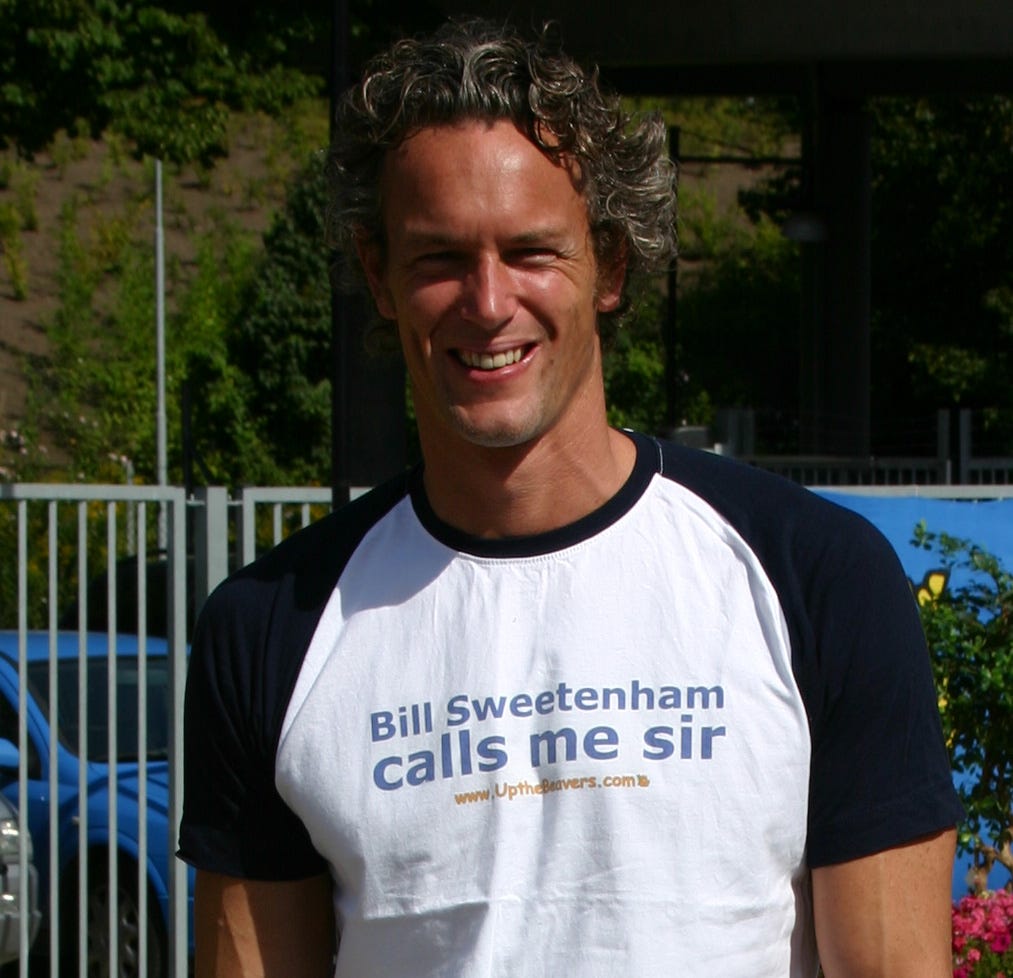
Back in my days at the University of Bath, I trained alongside Mark Foster, who held the world record in the 50m butterfly. Mark was often labelled “lazy” by those who didn’t understand his approach. His volume was low, but his training was laser-focused on sprint performance.
Sound familiar?
Both Foster and McEvoy show us that when training aligns perfectly with the demands of the event, it can be incredibly effective, even if it looks unconventional from the outside.
Context Matters
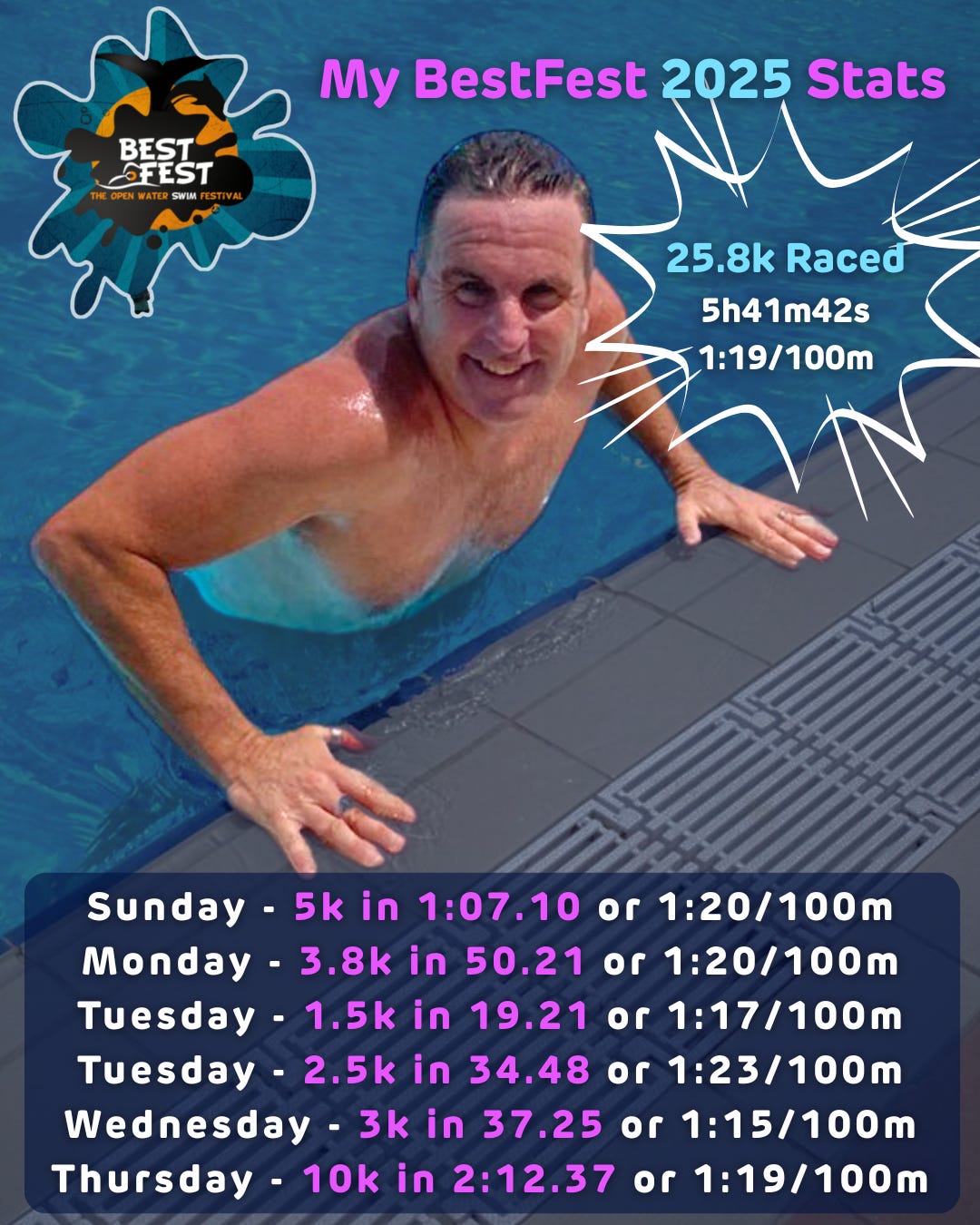
In my own swimming, I now complete around half the volume I did 25 years ago, yet I’m still holding similar speeds. But again, it’s not the reduction in volume that’s made the difference. It’s the specificity forced upon me by a busy coaching schedule and family life. Every session has to count.
And that’s the key point.
If you’re a distance swimmer or triathlete, McEvoy’s program doesn’t translate. Dropping your volume dramatically won’t suddenly make you faster over 1500m or in open water. In fact, it’s more likely to have the opposite effect.
The Takeaway
Celebrate McEvoy’s achievement. It’s one of the great performances in modern swimming.
But don’t copy it blindly (and certainly don’t nag your distance freestyle swim coach to drop their volume by 90%, because it ain’t happening!).
Instead, take the real lesson: train with intent, align your sessions with your goals, and focus on what matters most for your event.
Because it’s not about doing less.
It’s about doing what matters most, exceptionally well.
Thanks for reading - we’ll be back on the usual schedule this Thursday.
Your Coach, Paul.
