

Hey Swimmers,
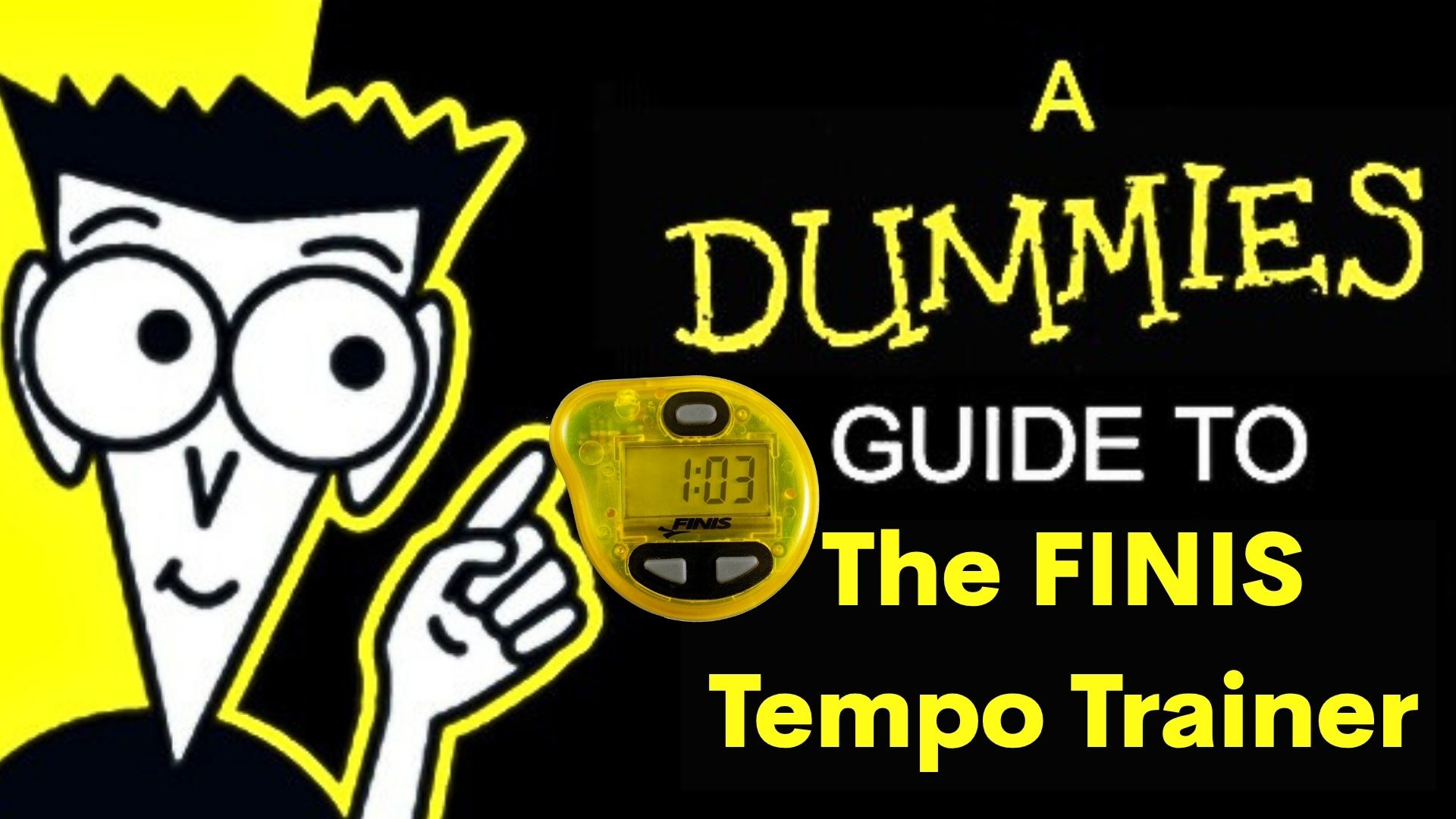
A quick little backstory for you before we get into things today. Way back in 2011, the team at Wiley & Sons got in touch and asked if I’d like to write “The Dummy’s Guide To Swimming.” They’d seen the success of their other Dummy’s Guides and thought swimming should be next on the shelf. Lovely compliment, and to be honest I was pretty chuffed they’d approached us off the strength of this very blog you’re reading today — which is still rumbling on 700+ posts later!
But I’ll admit… I hesitated. Calling something a “Dummy’s Guide” never sat quite right with me. People don’t come into swimming as “dummies” — they come in as curious, motivated beginners who just haven’t had the right guidance yet. And in my book, starting is never something to be embarrassed about — it’s something to respect.
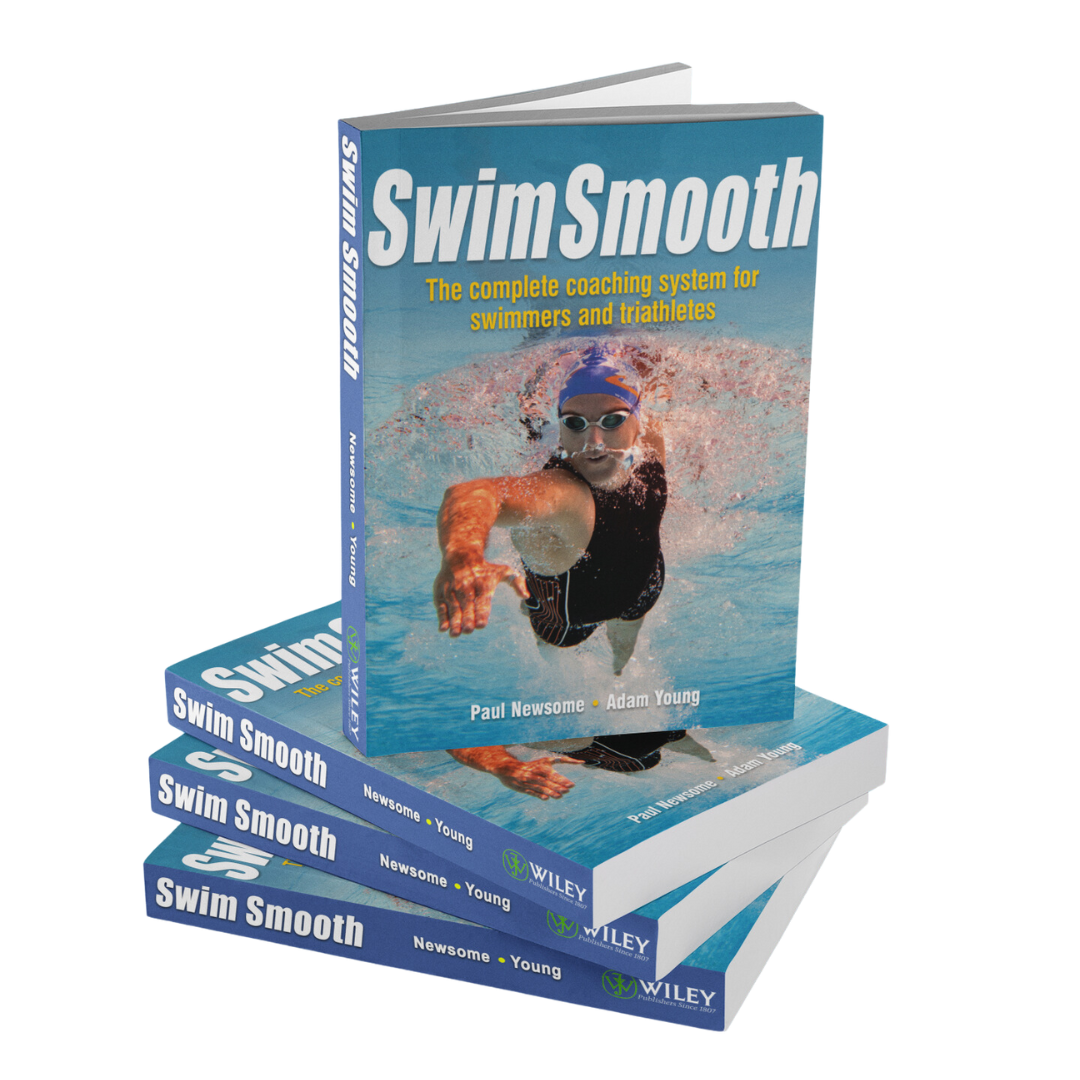
So after a bit of negotiating, I suggested we write “Swim Smooth: The Complete Coaching System for Swimmers and Triathletes” instead — and thankfully they agreed. That became the book many of you know today, and it’s been a huge part of the journey.
All of which makes it slightly amusing that I’m now here calling this post “A Dummy’s Guide to Using the Tempo Trainer” — but hopefully you’ll forgive me given what follows!
Because the truth is this: if I had a dollar for every time someone told me “I’ve got a Tempo Trainer… I’m just not sure how to use it,” I’d have funded the next decade of development for the GURU.
Most people own one. Very few actually switch the thing on.
So today’s mission is simple — no jargon, no tech speak, no “engineer mode” — just a friendly, step-by-step guide so your Tempo Trainer doesn’t spend the rest of its life hibernating at the bottom of your bag next to a broken pair of paddles and a mouldy old banana.
Let’s make it properly useful.
Step 1: Turning it on (yes, really)
Press the bottom right button and hold for 3 seconds.
That’s it.
Not witchcraft, not “pairing,” not Bluetooth. Just a firm press and a prayer that the battery is still alive (more on that in a minute).
The device will start beeping immediately, always in whatever mode it was last set to. If you’ve only ever turned yours on by accident before a main set and then panicked — congratulations, you just graduated Step 1.
And, if that Tempo Trainer has been kicking around at the bottom of your bag for a while and you’re struggling to get past this step, just follow this video - it’s saved a LOT of people a LOT of money and frustration over the years:
Step 2: The 3 Modes (and what they actually do)
The Tempo Trainer has three modes, and each is designed for a specific type of swim pacing or technique focus. Here’s the simplest breakdown in under 40 seconds:
✅ Mode 1 — Lap Split Pacing, aka “Stick with the Beeper”
This is the famous “beep per 25 meters or yards” mode.
Perfect for CSS and Red Mist–style pacing sets since you simply have to stick with the beeper.
Swim faster than the beep and you should slow down to meet the next beep at the next set point. Swim slower than the beep and this is your ticket to getting a move on to catch it back up!
Rest periods are usually expressed as a total amount of seconds, or more simply by a number of beeps rest (usually 1 beep rest, i.e. the time it would take you to swim 25 meters).
This is the single most powerful mode for developing sustainable speed and requires you to have an accurate and up to date CSS pace dialled in as the targets are usually so precise as to 1/100th second accuracy.
✅ Mode 2 — Cycle Time, aka “Beat the Beeper” (to get your rest)
This mode helps you to gamify your recovery periods and is way more specific that just using the pool clock and working off send offs of say 1:00, 1:15, 1:30 or 1:45 etc.
The argument I hear from the more experienced swimmers all the time is:
”Just teach your triathletes to learn how to use the clock!”
…but that’s precisely the point! It’s not that your average triathlete is such a ‘dummy’ that they can’t read the pool clock (as though only the revered Lane 4 swimmers have the ability to do that!), but inevitably, to make cycle times easy enough to work with for the average non-rocket scientist, they need to be rounded up or down to suit the clock, not suit the swimmer’s threshold pace.
So, here at Swim Smooth - in our quest for both individualisation and simplicity - we created our Red Mist (RM) Cycles, which basically goes like this:
Take your CSS pace per 100 meters or yards and divide by 2 to give you your CSS pace per 50 meters
Add a set number of seconds to this CSS pace per 50 meters to give you a corresponding RM Cycle, i.e. adding 5 seconds would be RM5, adding 8 seconds would be RM8
The lower the RM number, the harder the cycle time as you have less time available to get ahead of the beeper to form your rest
Whilst not as precise as a CSS pace to try to stick to, this mode provides latitude for you to explore how you’re feeling on any given day: push harder for more rest, back off for less rest.
✅ Mode 3 — Stroke Rate
You set how often it beeps per stroke cycle to help you control your cadence.
Ideal when you’re working on rhythm, timing and reducing dead spots. Great for Overgliders who pause too long at the front of the stroke or for Bambinos seeking a little more rhythm and ‘oomph’. This video shows a great Stroke Rate Ramp test you can do to determine where your sweet spot lies:
Step 3: Where to wear it
Tuck it under your swim cap or strap it under your goggle band against your temple. A quick tip (especially for Mode 2 and 3 use when you rarely need to push the top button to reset the cycle) is to wear it with the digital face inwards towards your ear, making it appear slightly louder (as I think the speaker must be on that side of the circuitboard). For those of you hard of hearing like me (too much time in the water - good on yer!), this will help a bit, but yes, yes…I’m waiting for a new version too with a vibrate mode…FINIS, hello?!
Using the GURU with the Tempo Trainer
I won’t lie, I am a true FINIS Tempo Trainer fan boy. Always have been, always will be. Why? Because as a coach running a busy squad it allows me to allocate small groups within a given lane, each working towards a target pace that is suitable for that group, not for the convenience of the clock.
I want to ensure that every session I run is Specific, Measurable, Achievable, Realistic and Timely (SMART), and that’s what I want for each of you too, whether you are in the world. Stop wasting your time without having SMART goals to work towards and have some very clearly defined targets that you can work towards, not so that you can become a robot, but so you can have fun becoming the best swimmer you can be.
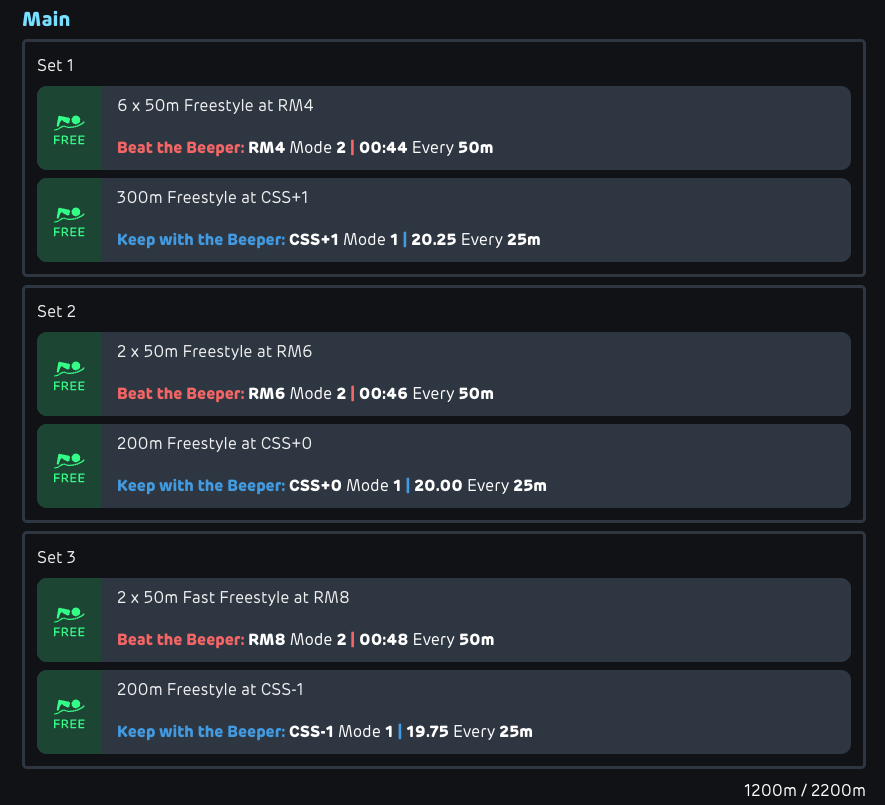
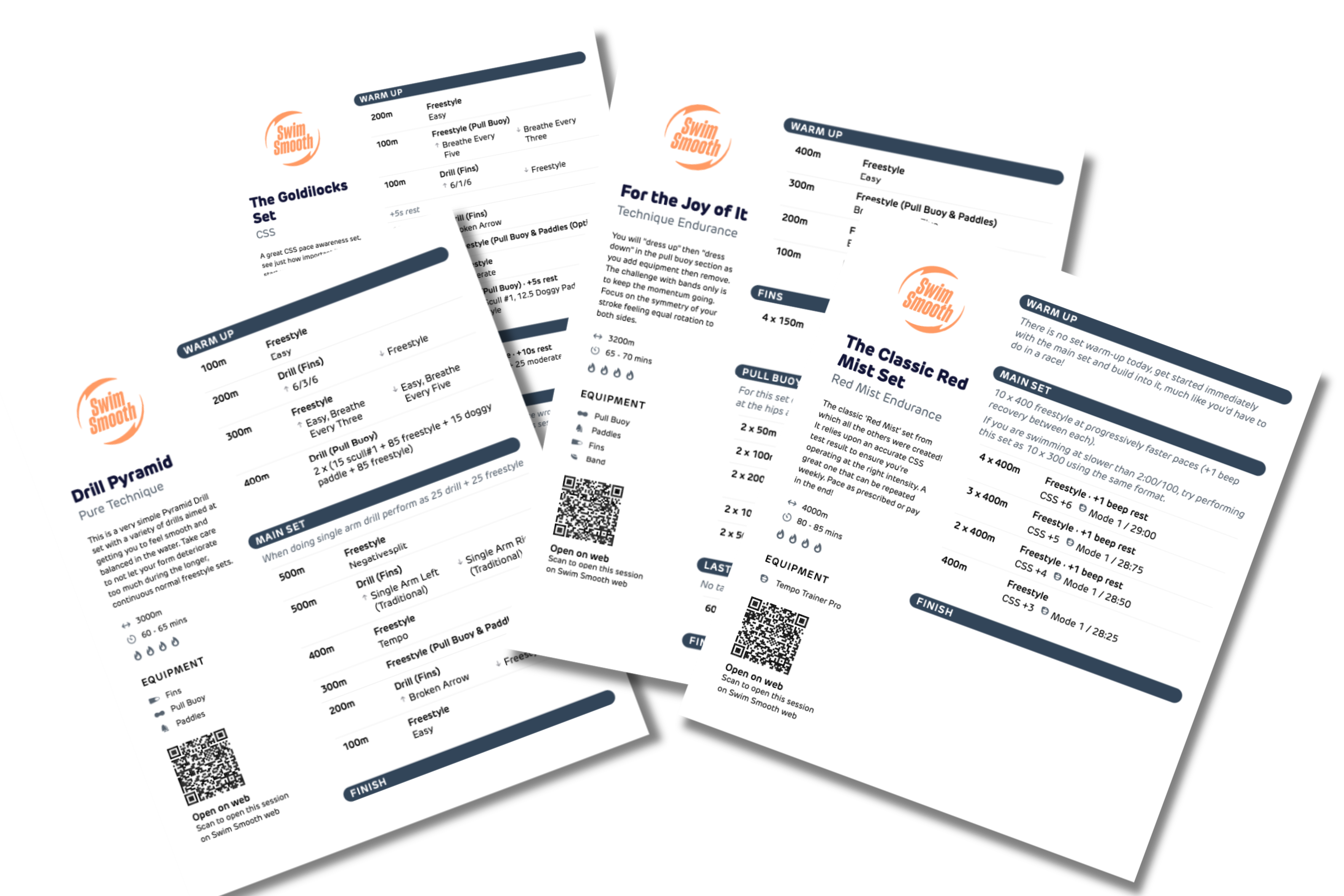
And within our new v2 sessions on the GURU, it’s now even easier than ever to simply input your CSS pace and have every session that requires it, show you exactly what Mode to use, what number to input and what your objective is, just like if you were swimming with me in Perth or any of my coaches around the world in their Squads:
Why it transforms your swimming
The Tempo Trainer is, in many ways, your pacing conscience. It doesn’t let you cheat, fade or drift. It teaches consistency, control, and awareness — the holy trinity of efficient swimming. It becomes your rhythm section while you supply the technique and effort.
And unlike staring at a pace clock, it gives real-time accountability inside the stroke. Here are some more cool ways to gamify your experience:
The Ticking Time Bomb (our latest use case)
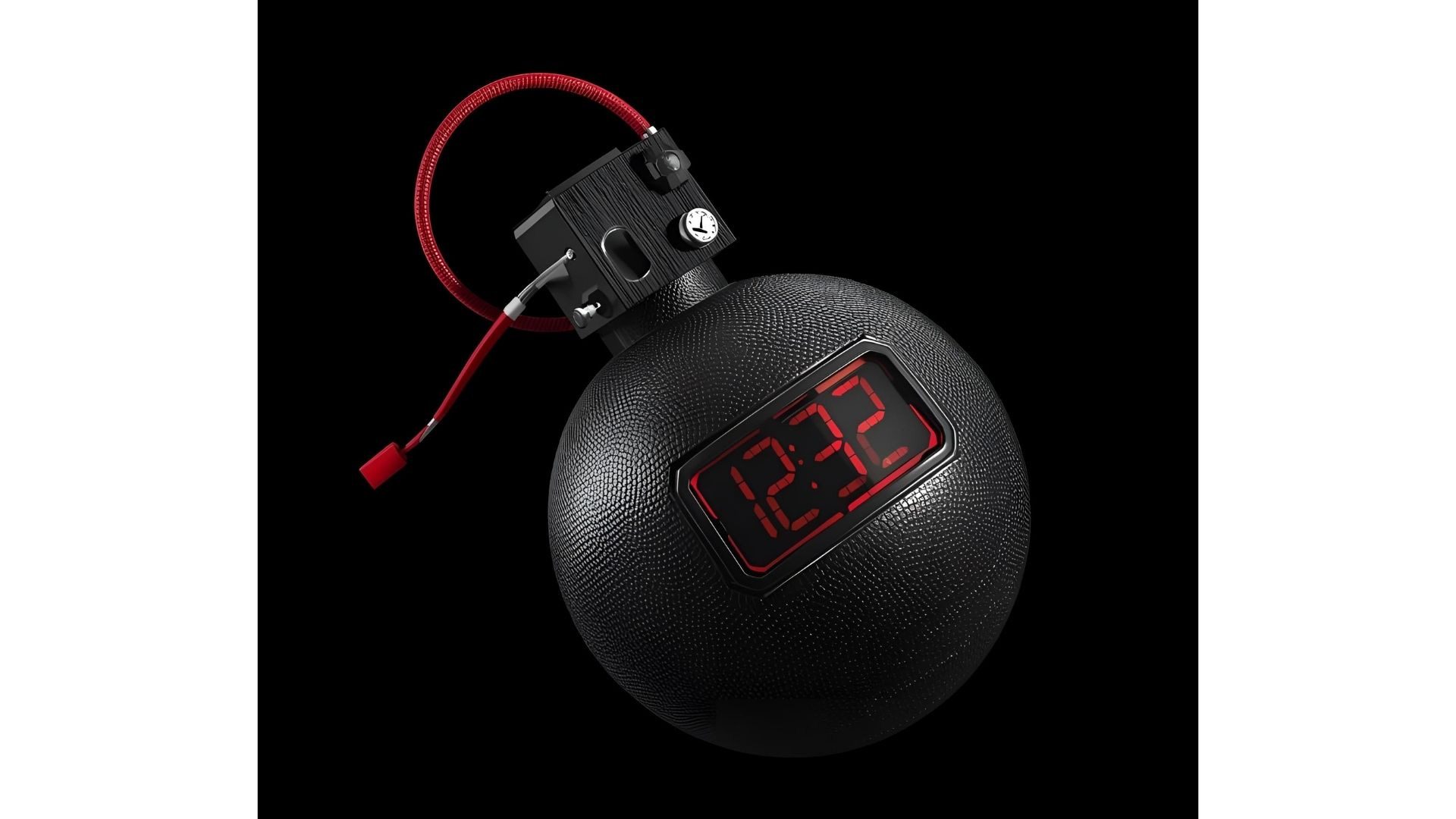
One of our favourite new uses is something we call The Ticking Time Bomb. At the end of a challenging Red Mist or CSS development session — when your control is already being tested — we finish with one final long interval. The Tempo Trainer is set in Mode 2 with a very clear target time. This might be say 6:00 for someone with a target of swimming 400 meters in precisely 6 minutes but without any intermediate beeps before that ticking time bomb comes around.
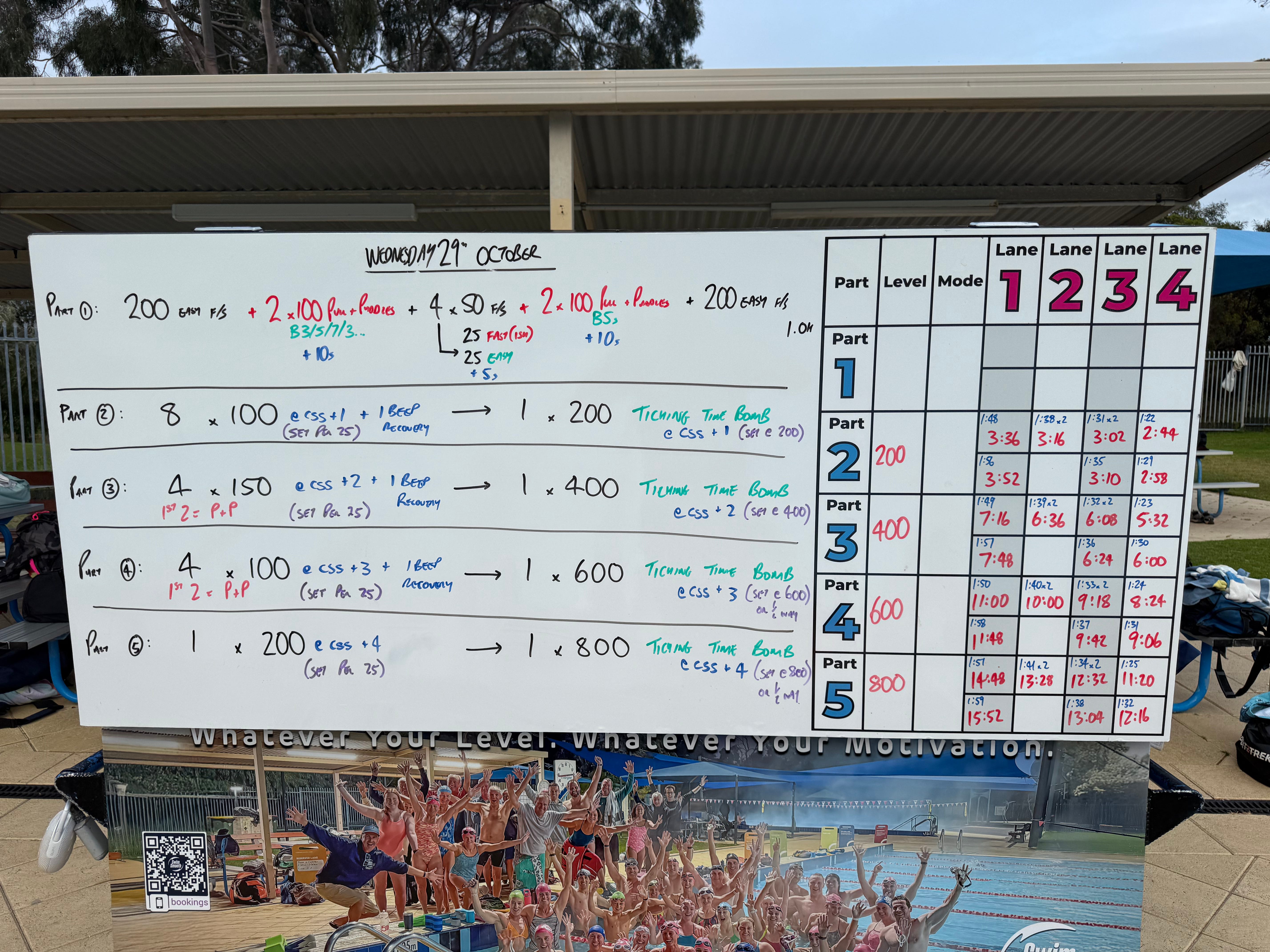
It is elegant. Precise. And brilliantly gamified — a final hit of pressure that feels like play, not punishment.
So next time you look in your kit bag, dig yours out, give it some daylight and let it earn its keep. Used well, the Tempo Trainer is not a gadget — it is a 20 year old pacing ‘revolution’ the size of a coin.
Thanks for reading. Your Coach, Paul.
